
Equipment rental
Rental fleets serving jobsites, events and public works.
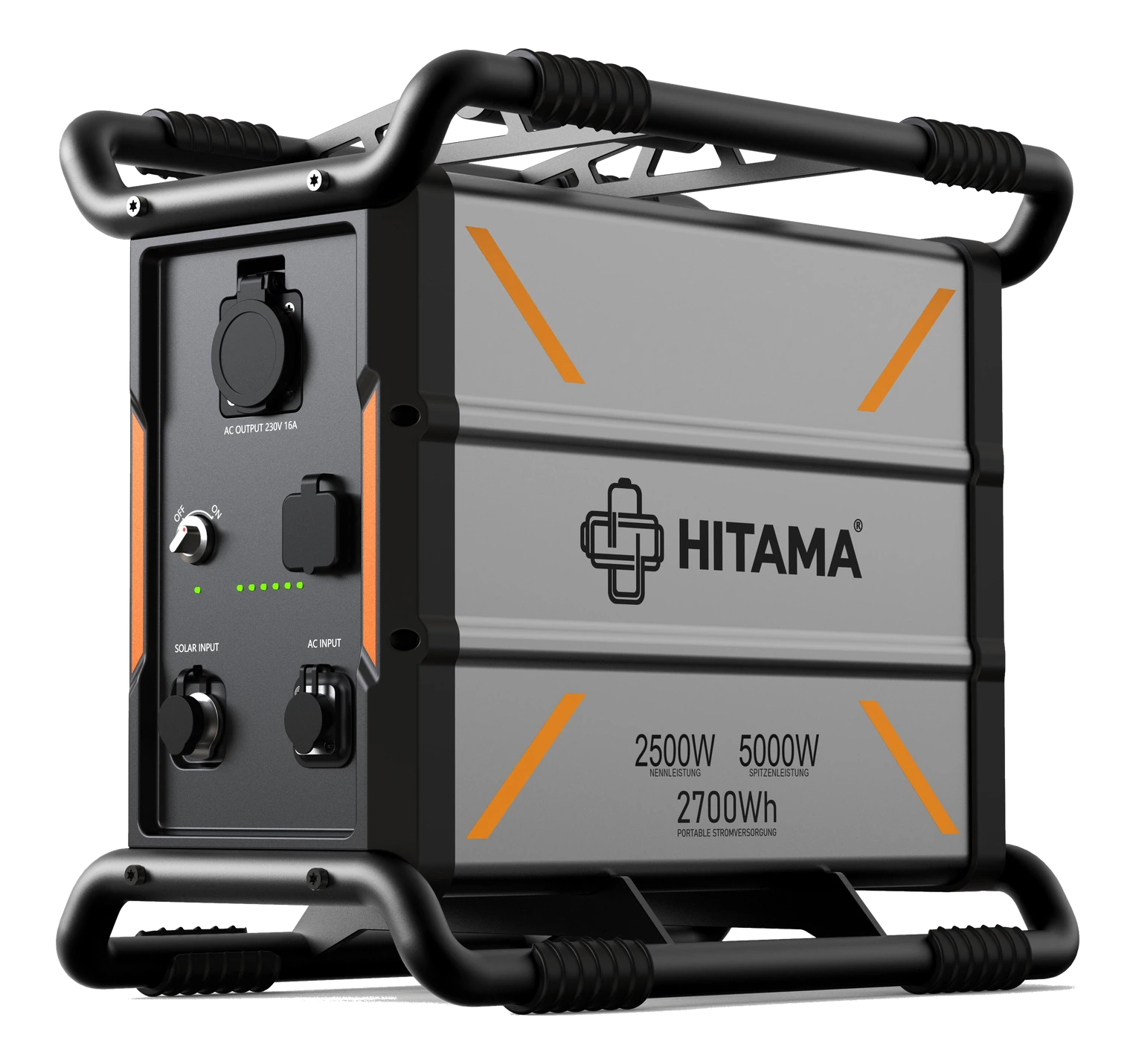
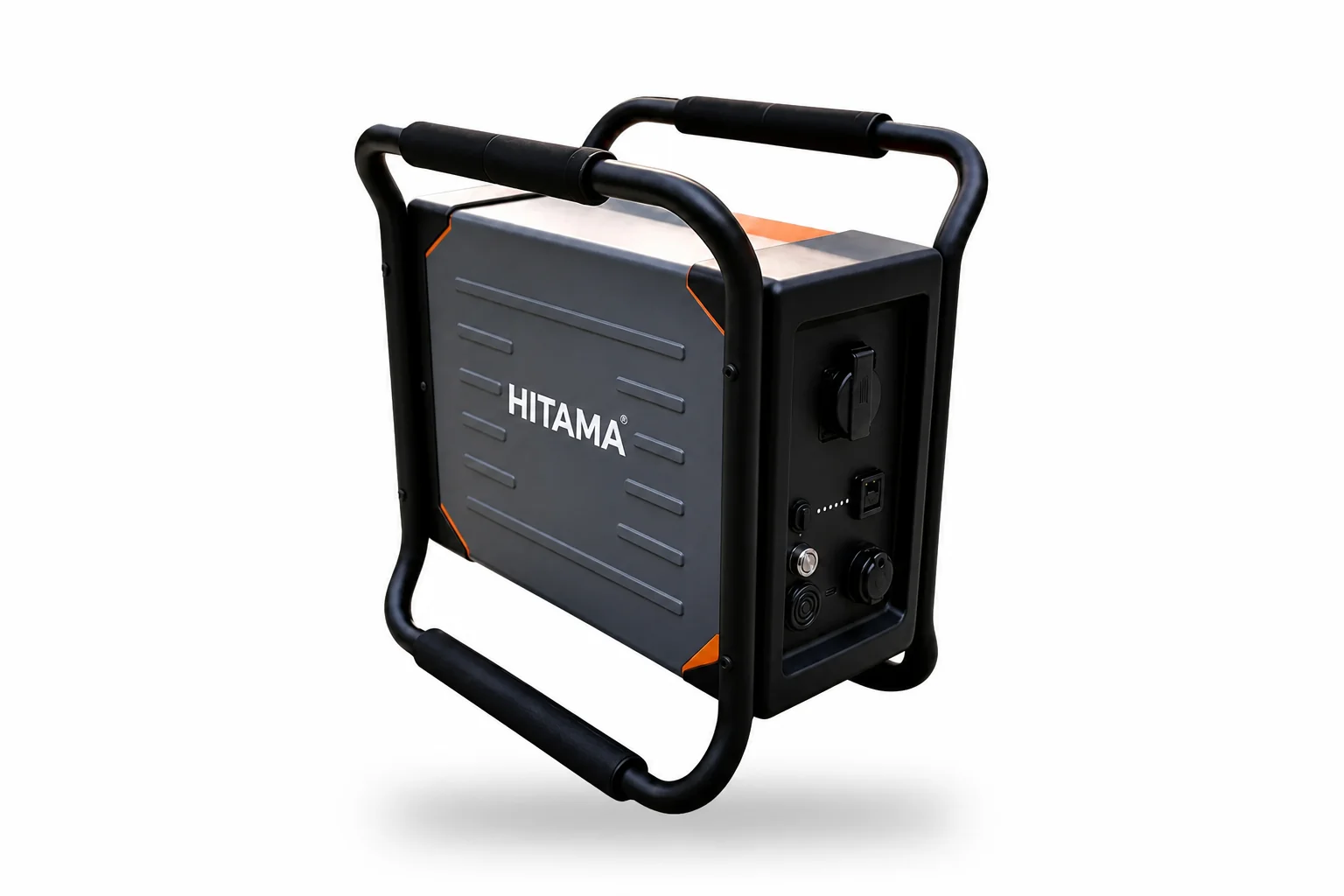
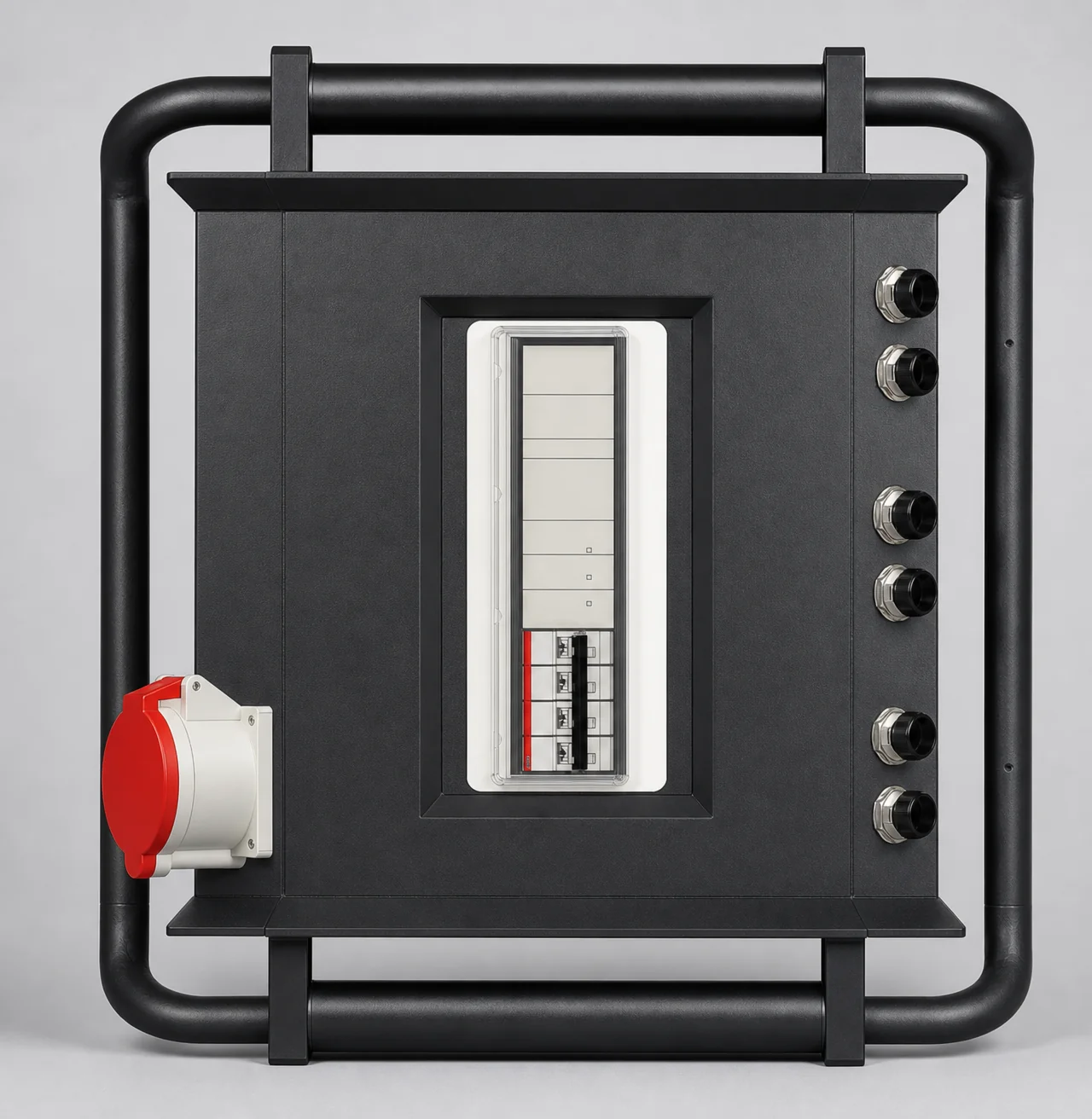
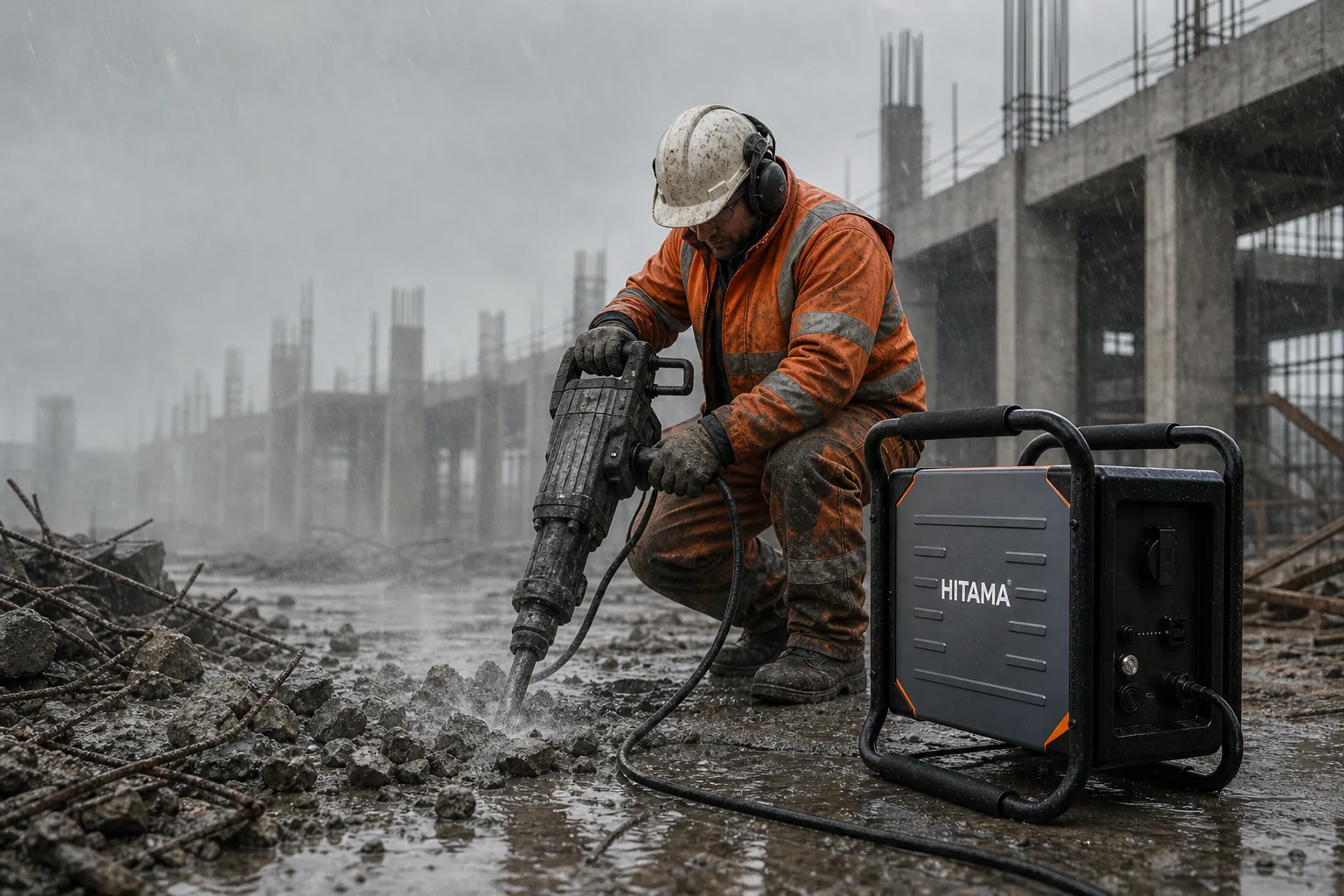
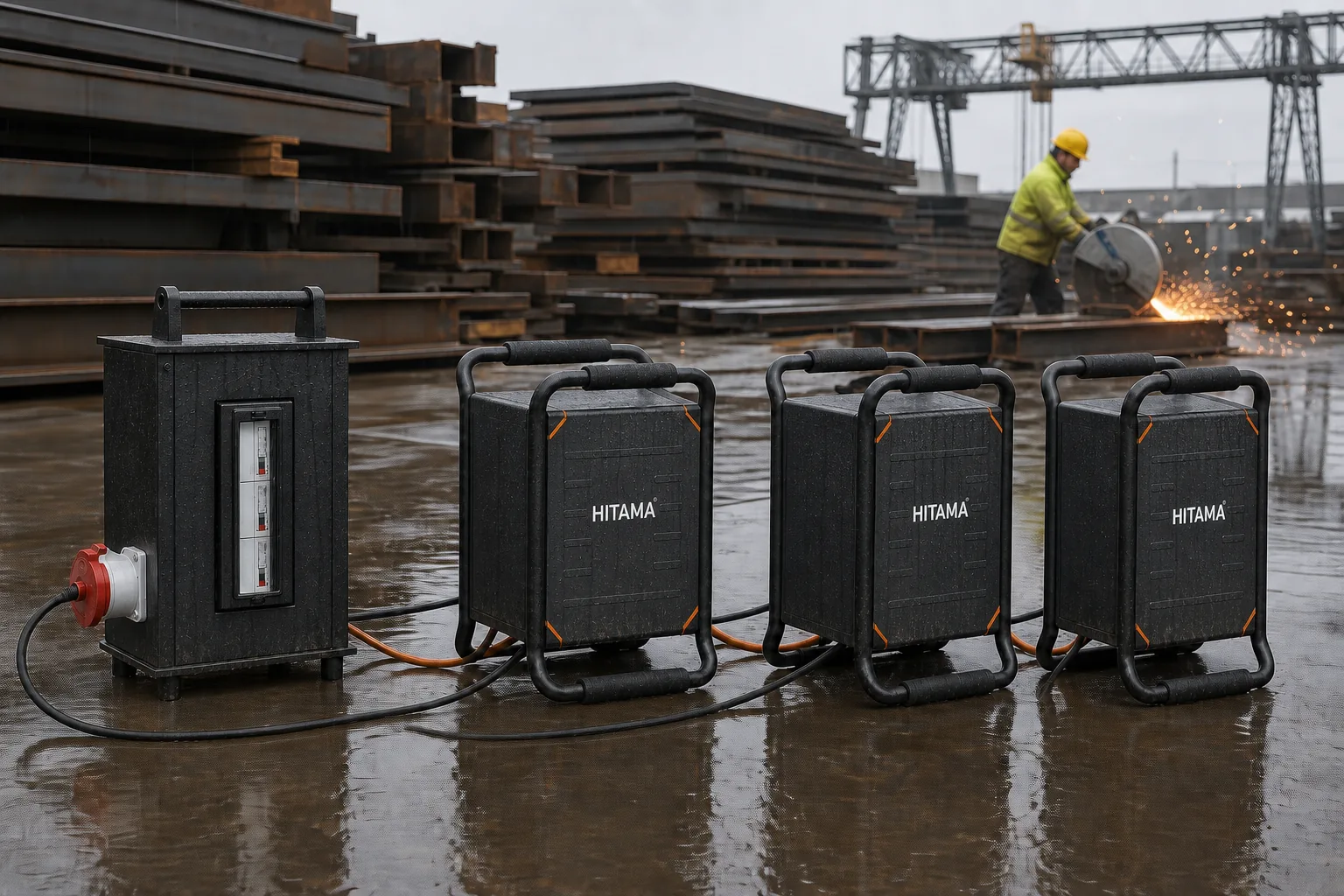
Rental profit comes from utilisation and no-fault time, not from selling machines. A battery station has no engine: no oil, no filters, no carburettor — far fewer failure modes than a generator. P25 and P36 cover different load classes on one platform, so a mixed fleet keeps training, spares and parts lists simple. Recharge from grid or solar between turns and it leaves the yard again the next day, with no fuel dependency in the schedule. Fleet sizing, parallel distribution panels and charging plans: talk to us about your fleet.
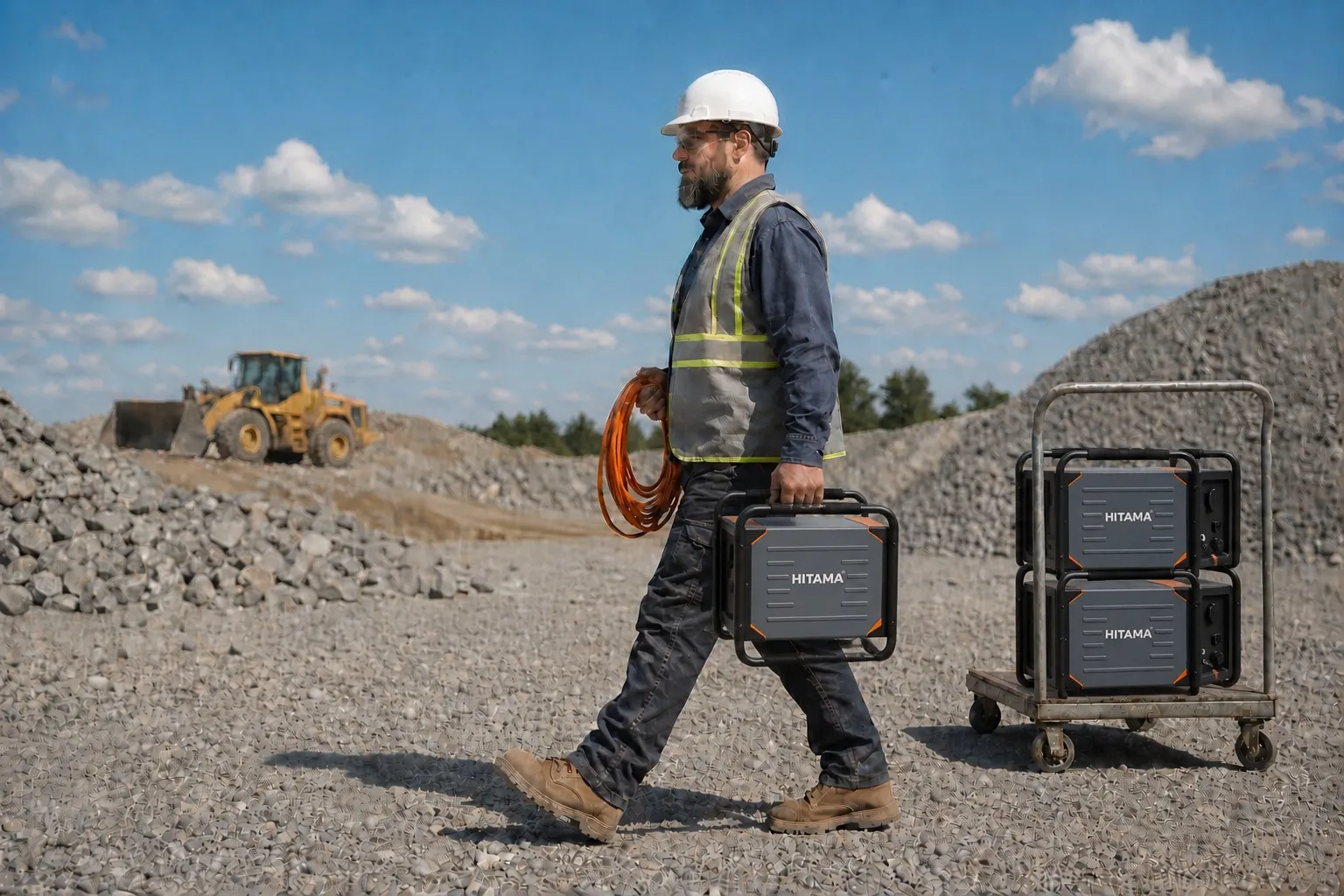
Field notes in this sector
- Equipment rental
What a three-year-old fleet is worth
A three-year-old rental unit is priced on its case and valued on its cells, and only the case is in the advert. Two machines from the same invoice can leave the yard as different products, one still near its 2.7 kWh and one visibly short of it. The measurement that separates them takes a load, a clock and one lost hire day.
- Equipment rental
The diesel's cheapest year is its first
A diesel generator is the cheaper machine in year one and the more expensive one in year four, and the crossover is decided by three curves that never appear on a quotation. Residual value, maintenance and the cost of the energy itself move in opposite directions from the invoice onwards, and four inputs settle where the lines cross.
- Equipment rental
Six units, one socket: the charging bay decides the fleet
A rental fleet of battery units is capped neither by wattage nor by turnaround, but by how many independent charging circuits the yard has and how many hours the night actually contains. Six P25 units on one 230 V 16 A circuit need fifteen hours of charging — the fix belongs at the bay, not in the machine.
- Equipment rental
A cross-hired battery arrives as a set, not a machine
A generator can be borrowed between depots and works the moment it is plugged in. A battery unit arrives as a set — configuration, accessories, charge state — and one missing part turns 7,500 W into three separate 2,500 W machines.
- Equipment rental
Before the battery goes out instead of a generator: four questions at the hire counter
Most customers never ask for a battery unit. They ask for a generator. Four questions settle which one actually leaves the yard — and the tool list is what settles them.
- Equipment rental
What a rental fleet needs from a battery: turnover, not watts
A hire desk does not buy power, it buys turnover. The question is not what a unit can do but how quickly it goes out, comes back and goes out again.
- Equipment rental
Why there is no price on our website — and what is there instead
Prices and minimum quantities are not on the wholesale page. Not from neglect: both depend on configuration, quantity and target market. What is public right away — and which four lines a quotation comparison should separate.
- Equipment rental
Three line items that make every site dearer in 2027 — none of them is the electricity price
German electricity levies rise by 22.9 percent in 2027, from 2.946 to 3.621 cents per kilowatt hour. What matters is not the percentage but what it attaches to: the kilowatt hour, not the connected load.
- Equipment rental
Three ways onto the shelf — only one of them is an order
A dealer asking a factory for the first time rarely gets a price, and usually gets three questions back. A unit price is not a property of the device, it is a property of the order — and the three routes into a range differ mainly in where the work sits.
- Equipment rental
For anyone running the numbers: 4.2 is not a law of nature — the assumptions behind diesel versus battery
0.82 € against 0.20 € per kWh, a factor of 4.2 — that is not physics, it is the result of six assumptions. What happens when load, price or hours differ, and when a battery stops paying for itself through running costs.
- Equipment rental
For dealers: from 2027 every unit above 2 kWh needs a battery passport
On 18 February 2027 the Article 77 battery passport becomes mandatory — including for 2.7 kWh units that look like portable batteries. Why 29 kg decides the category and who has to keep the record.
- Equipment rental
Private label means your name inherits the test record
Selling a power station under your own name means taking over an assurance, not just a print. What the test record contains, why it is a measurement and not a warranty — and where customisation ends.
- Equipment rental
Order quantity is not a number, it is a tooling question
Forty units from a dealer is a price break; forty units from a factory is a question about tooling, batch size and lead time moving together. What a buyer needs to bring so the answer holds.
- Equipment rental
If the backup does not start, it was never backup
The TÜV Baurechtsreport 2026 finds significant defects in 35 % of backup power systems in special buildings. The three causes it names — starting, fuel, battery — appear while the system is idle, not while it runs. What that means for an inspection sheet.
- Equipment rental
The QR code decides: what rental and procurement must check before 18 February 2027
From 18 February 2027, industrial batteries above 2 kWh need a digital battery passport reachable via a QR code. For rental and procurement, that moves the burden of proof forward — to the supplier.
- Equipment rental
Three faces, one rule: why no cable leaves the front of the distribution box
On the distribution box it is not the power rating that decides, but which face is allowed to do what. Three faces, three jobs — and three checks at every hand-over.
- Equipment rental
Proof, not posters: what the European Rental Week leaves behind on Monday
The European Rental Week 2026 ends on 18 October. The campaign asks for examples — but the real evidence is written down at hand-back, not on the poster.
- Equipment rental
Manufacturer or dealer? What procurement and rental should check on a factory visit — and what a visit does not prove
Two quotations can look identical: the same power rating, the same IP class, a similar price. Whether there is a works or a trading warehouse behind it comes down to three things only a works can show — and to one question no datasheet answers.
- Equipment rental
One percent growth, a third without a construction site: the ERA Market Report 2026 for rental operators
The European Rental Association published its 2026 Market Report on 13 October 2026. The publicly available figures: 1% growth in 2025, €35.5bn of expected rental turnover in 2026 across 17 countries, around a third of it off the construction site. With sources — and with what the summary does not say.
- Equipment rental
Eight positions, eight decisions: the P25 front face
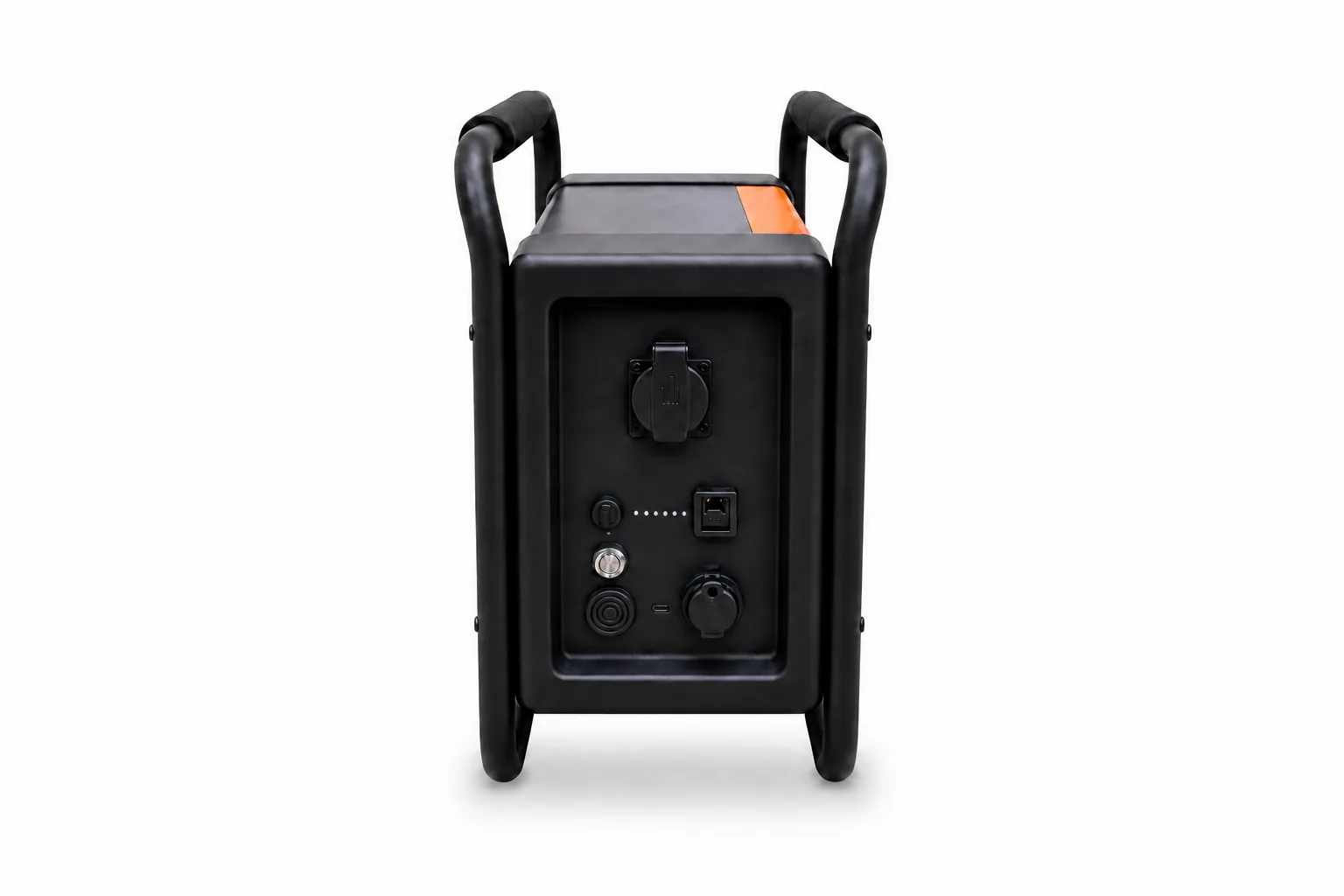
The P25 front face is the entire interface. A walk-through of its eight positions — and the two mix-ups that come back most often after a handover.
- Equipment rental
The question catalogue: what to obtain in writing from every supplier
Seven blocks, 21 questions — manufacturer-neutral. It normalises the basis of comparison: as long as two suppliers give different information, you are comparing answer formats, not products.
- Equipment rental
Transport & Packaging: documented figures for your shipment
For dangerous goods the document decides, not the product description. UN 3480, class 9, sea transport, II packaging, weights, the two customs document numbers — plus the CE scope we can document (EMC Directive) and the areas we explicitly cannot.
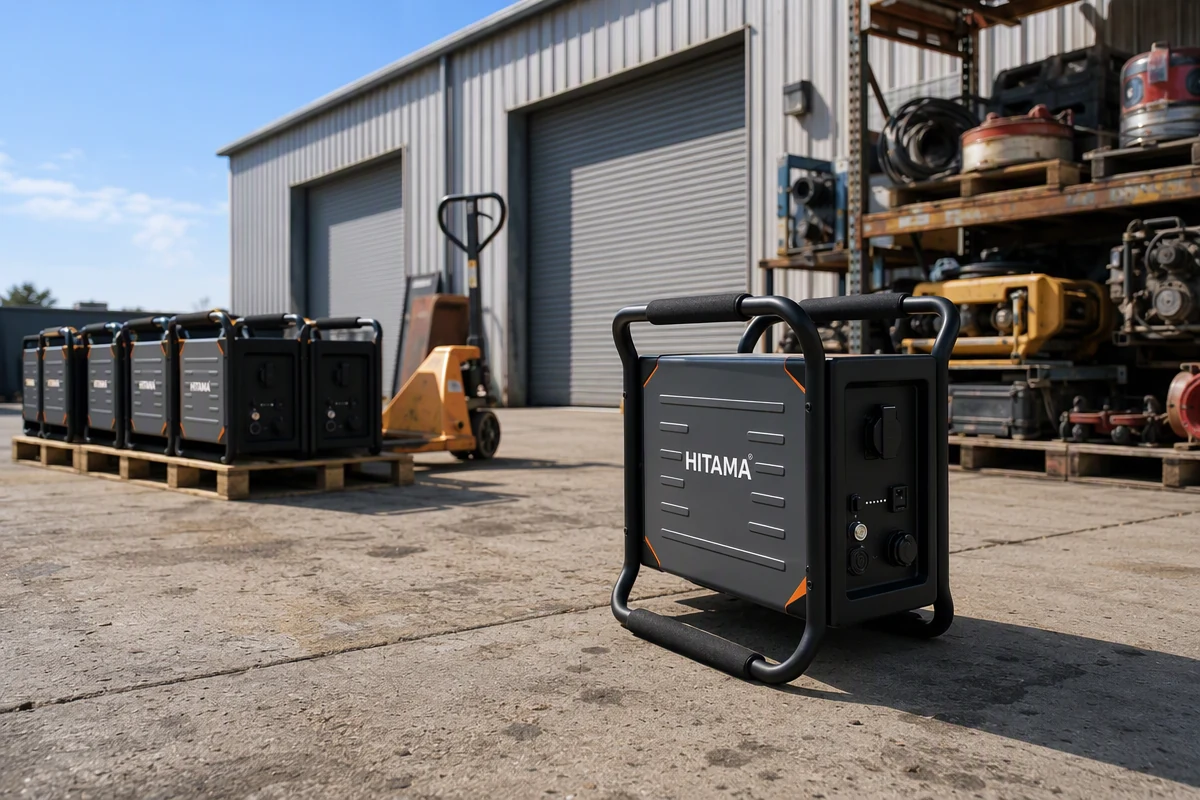
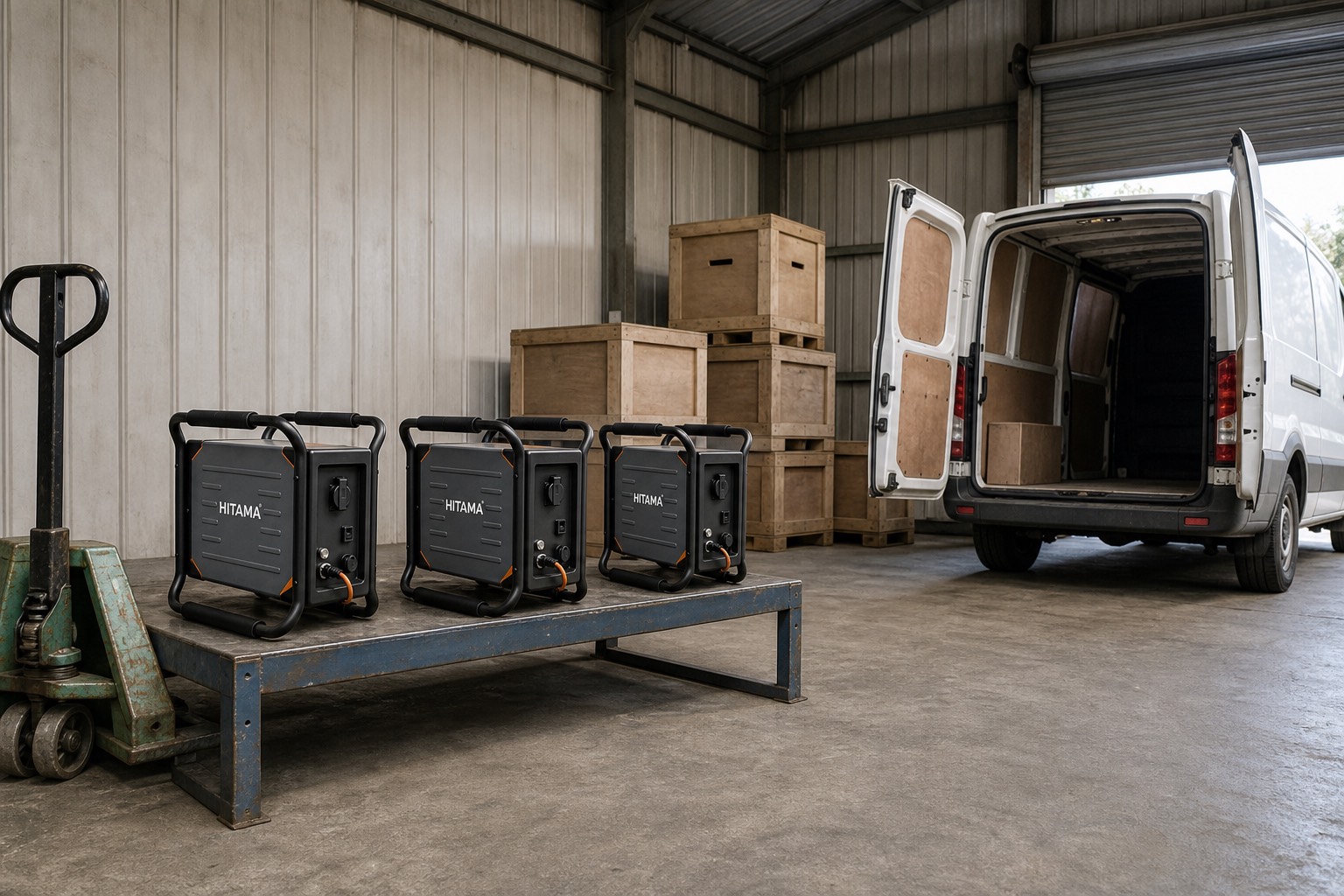
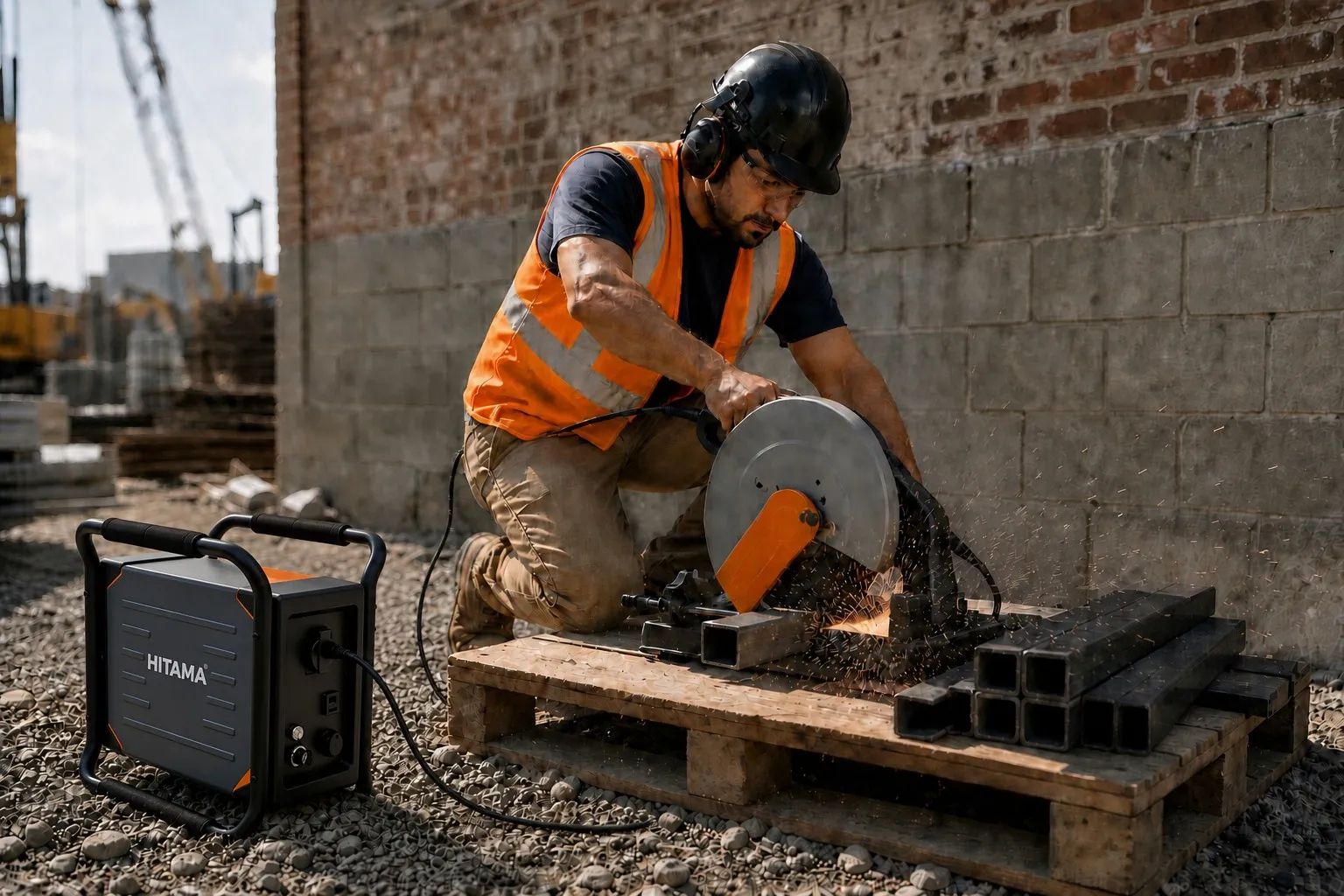





All sectors
- Construction & civil works
- Equipment rental
- Emergency response
- Fire & technical rescue
- Disaster relief & civil protection
- Defence & field operations
- Mining & quarrying
- Geological exploration & survey
- Welding supply
- Telecommunications & utilities
- Rail, tunnel & infrastructure
- Events, film & media
- Agriculture & outdoor work