
Mining & quarrying
Rock drills, dust extraction, dewatering, tunnel lighting.
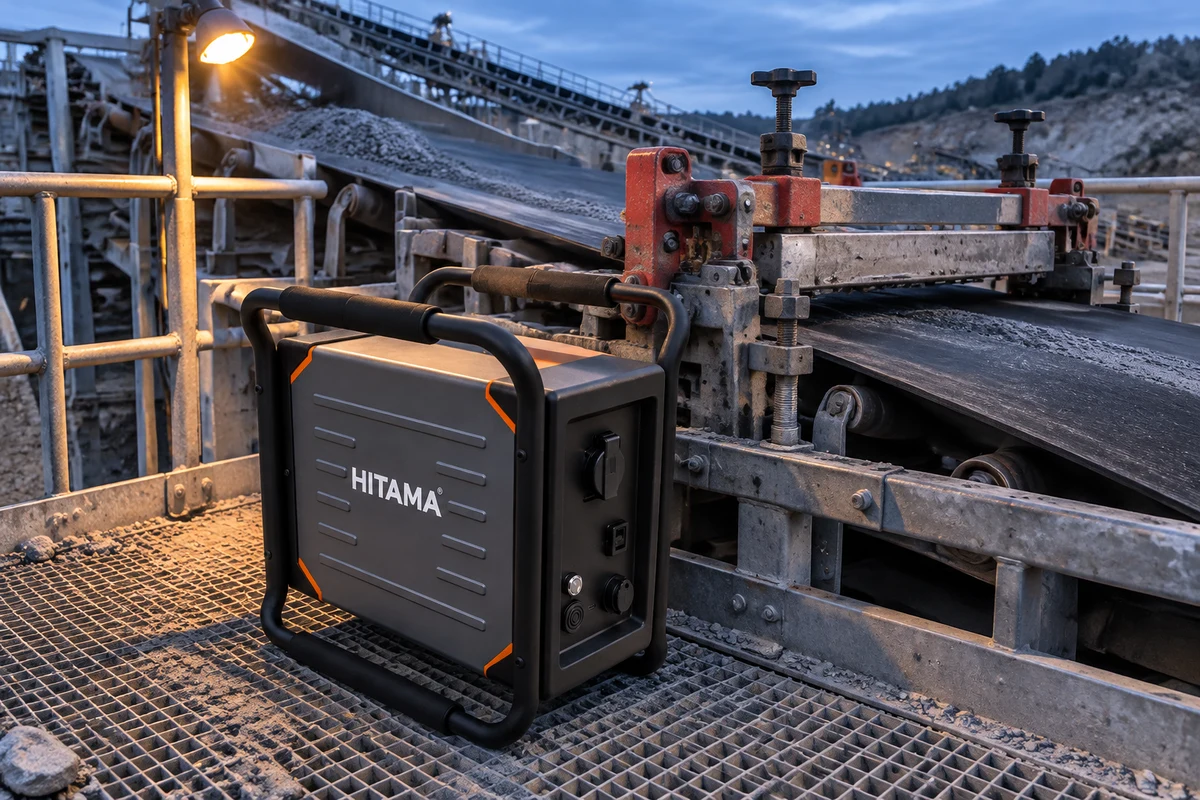
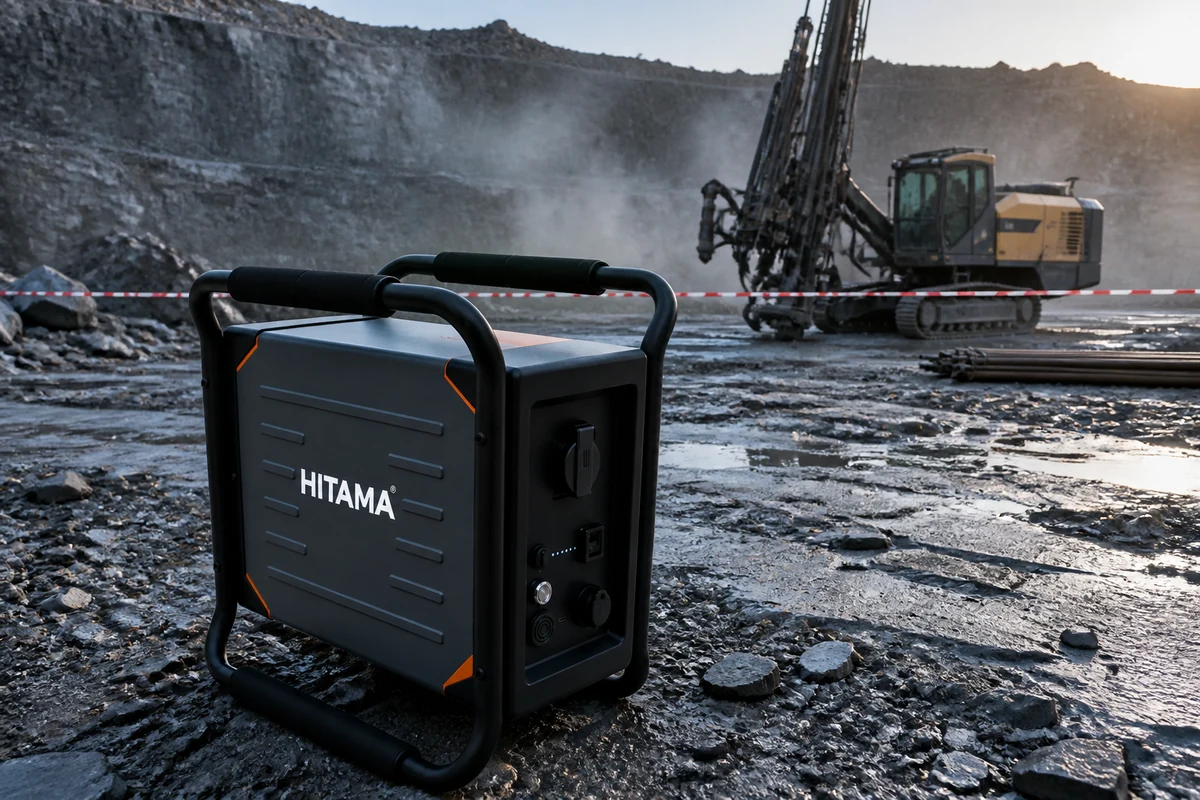
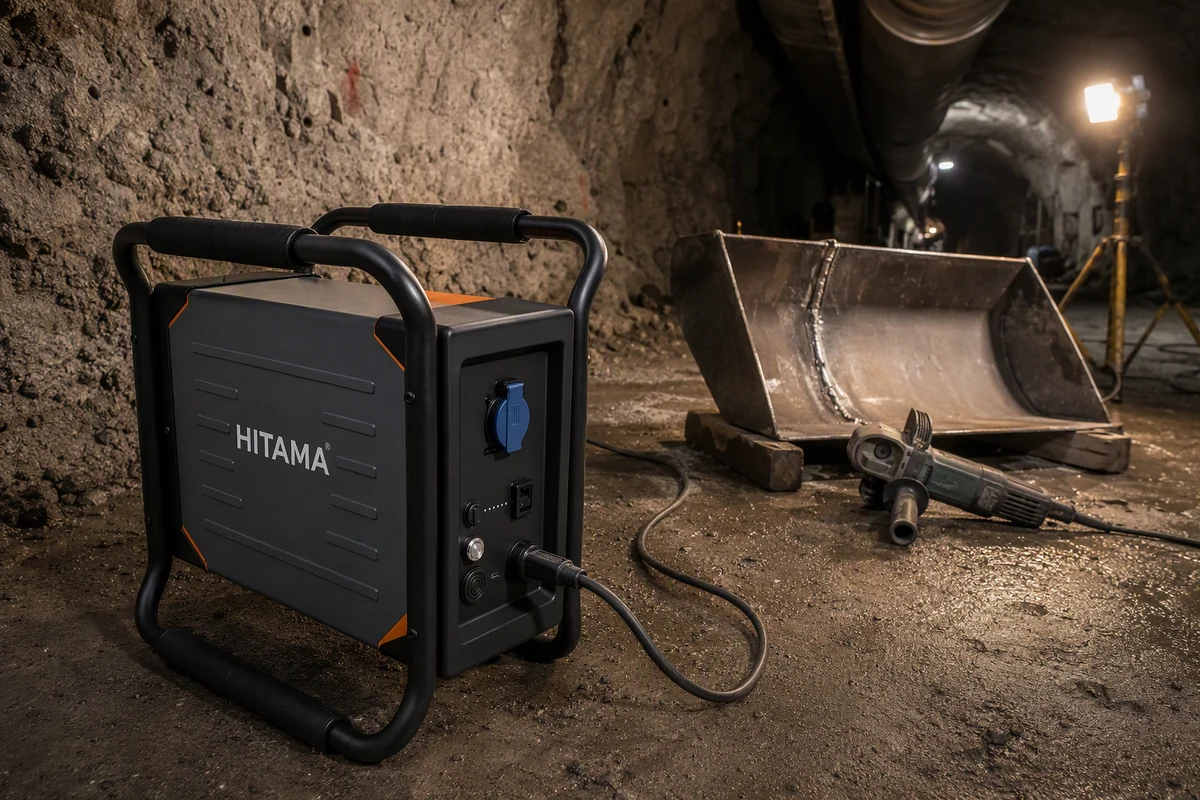
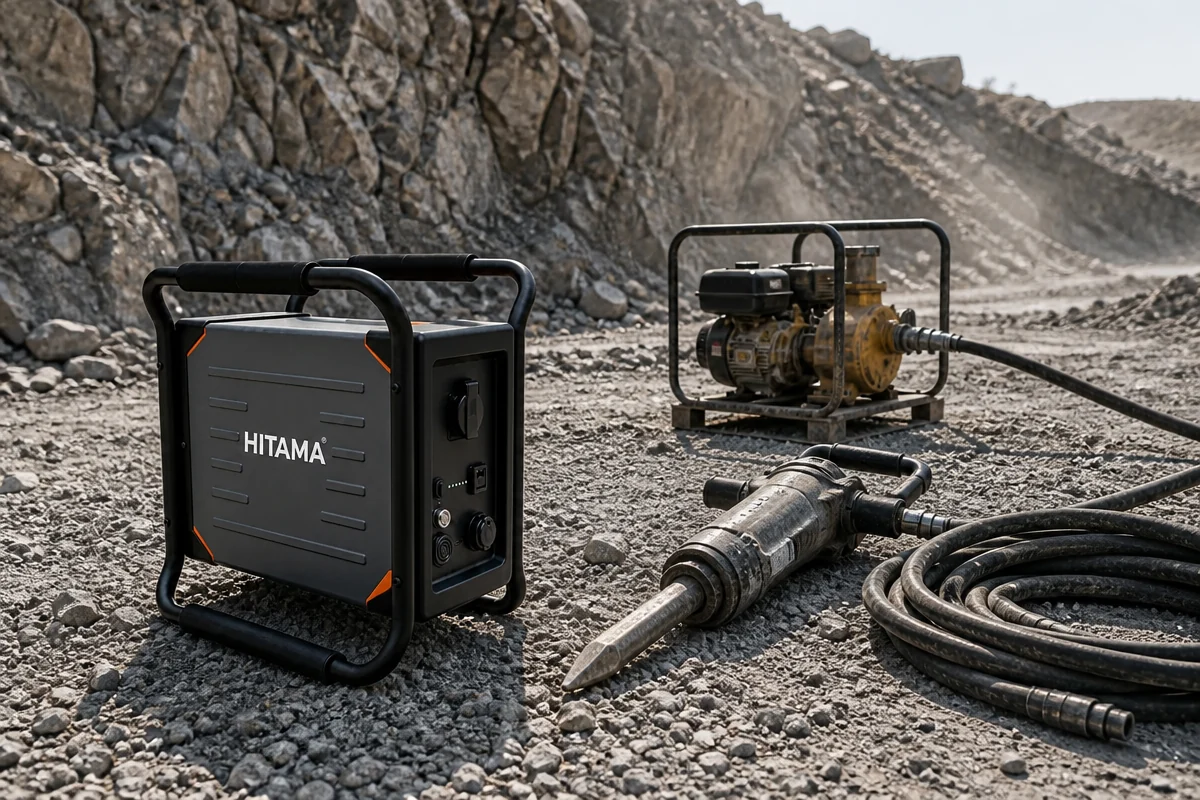
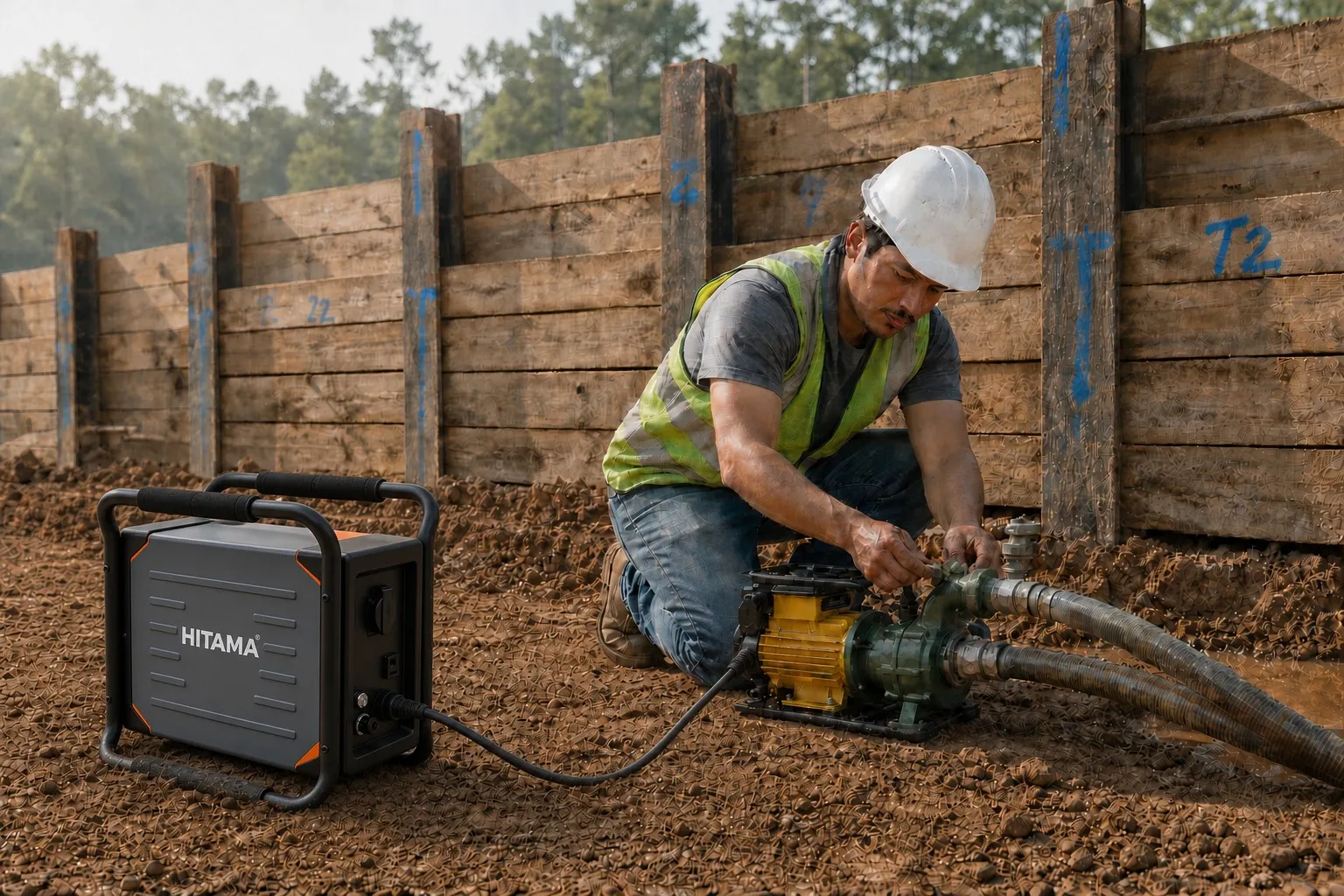
Underground and in the quarry, diesel exhaust is the first thing the ventilation system has to fight. Rock drills, dust extraction, dewatering and tunnel lighting are long, steady loads: the P25-T three-phase system at 7.5 kW / 8.1 kWh carries a full shift, and P36 covers the heavier power. With no on-scene exhaust, ventilation duty and gas monitoring get easier. IP54 is the design case for dust and wet rock face, not the limit. Between deployments, grid and solar both recharge it — no fuel convoy required.
Field notes in this sector
- Mining & quarrying
An interrupted splice is not a splice
A conveyor belt splice is a flat load held for the length of a cure, and a cure that stops has no resume button. The sizing question is how many hours the supply holds without anyone watching, and how far the press sits from the parking point.
- Mining & quarrying
The socket leaves the bench before the shot
On a blasting day the constraint is not how much the bench draws but whether the power source can leave the radius and be back inside the re-entry window. A sealed 29 kg unit is carried out by two people, restarts where it stopped, and takes no fuel or air path onto the bench.
- Mining & quarrying
The airway is the first load
Underground, the power question is an air question: every combustion unit in a heading is charged against the airflow the plan already has to move. A sealed unit with no intake and no exhaust stays out of that calculation, and the rest is sized from rating plates, hours and how the unit gets down the drift.
- Mining & quarrying
What has to keep running after the wash plant stops
A wash plant loses its feed the second the drive drops out, but the water circuit behind it takes hours to recover. The loads worth carrying are the small ones nobody has written down.
- Mining & quarrying
A shutdown window is sized in tool-hours, not tonnes
A shutdown window is not sized by the tonnage the plant was built for but by the hours the tools run inside it: the isolation that makes the job safe takes every socket in the building with it.
- Mining & quarrying
The machine stays where it stopped: power for field repairs at a quarry
Most repair hours in a quarry are spent at machines that cannot come in: a haul truck on the ramp, a loader at the stockpile, a rig stopped mid-hole. The work order that follows splits in two, and the line between the halves is electrical.
- Mining & quarrying
Dewatering and drilling at the face, without a generator on the bench
Dust, vibration, a slope nobody wants to carry a can up, and a rule against refuelling where the dust is explosive. The work moves with the face — the power has to move with it.
All sectors
- Construction & civil works
- Equipment rental
- Emergency response
- Fire & technical rescue
- Disaster relief & civil protection
- Defence & field operations
- Mining & quarrying
- Geological exploration & survey
- Welding supply
- Telecommunications & utilities
- Rail, tunnel & infrastructure
- Events, film & media
- Agriculture & outdoor work