
Construction & civil works
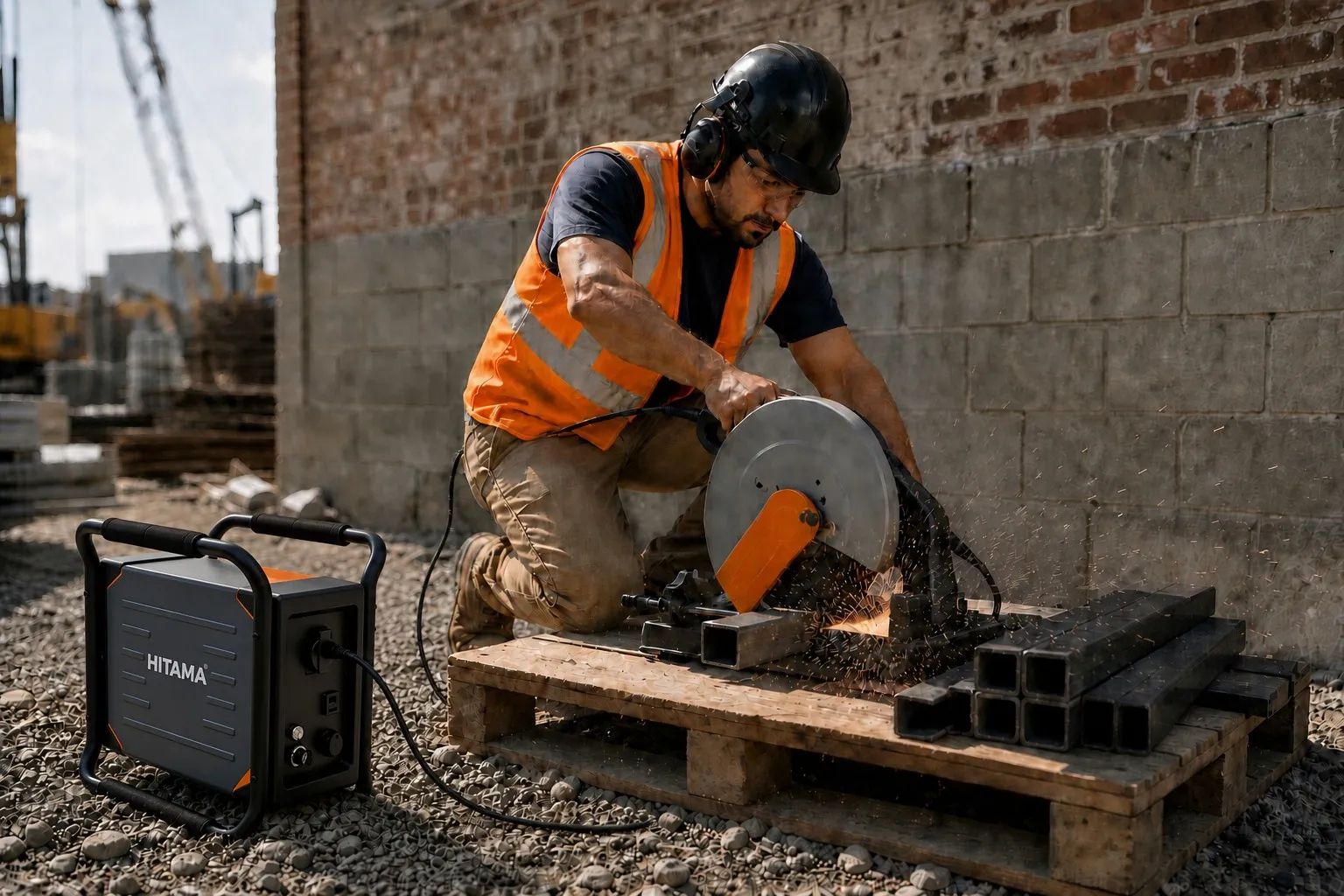
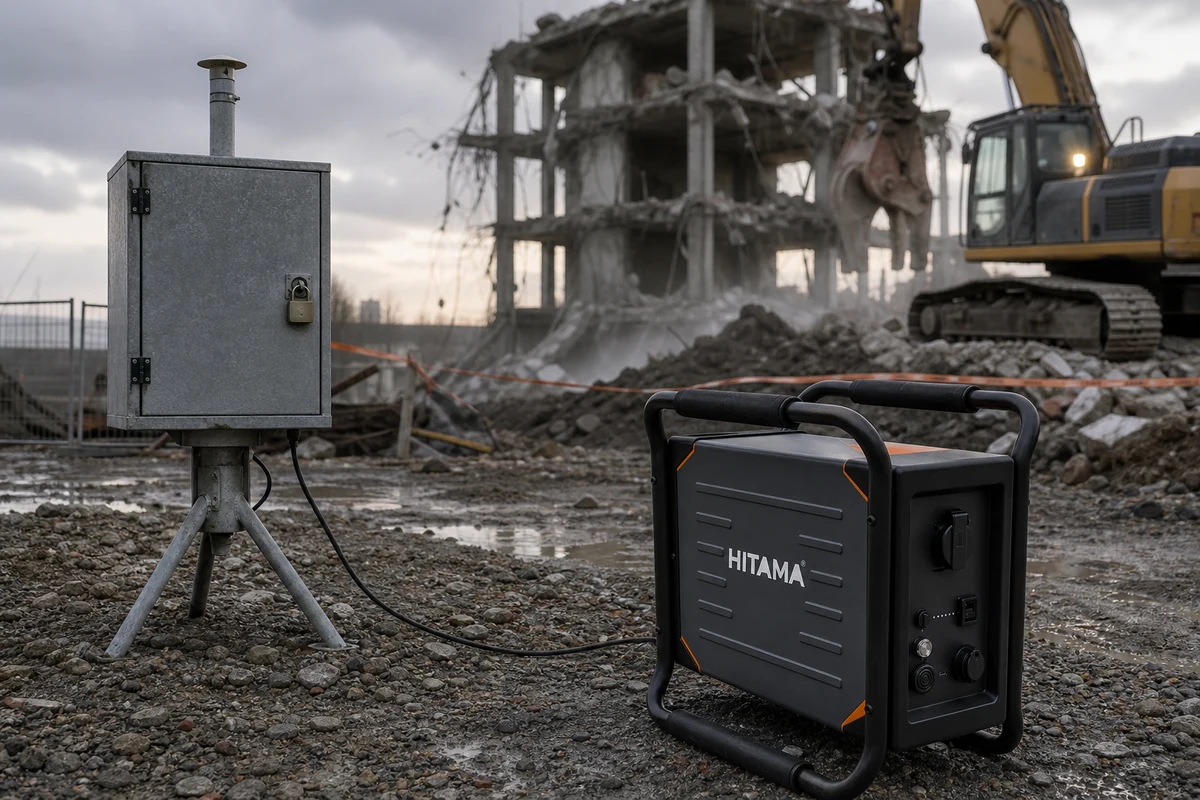
Demolition hammers, cut-off saws, breakers, site lighting.
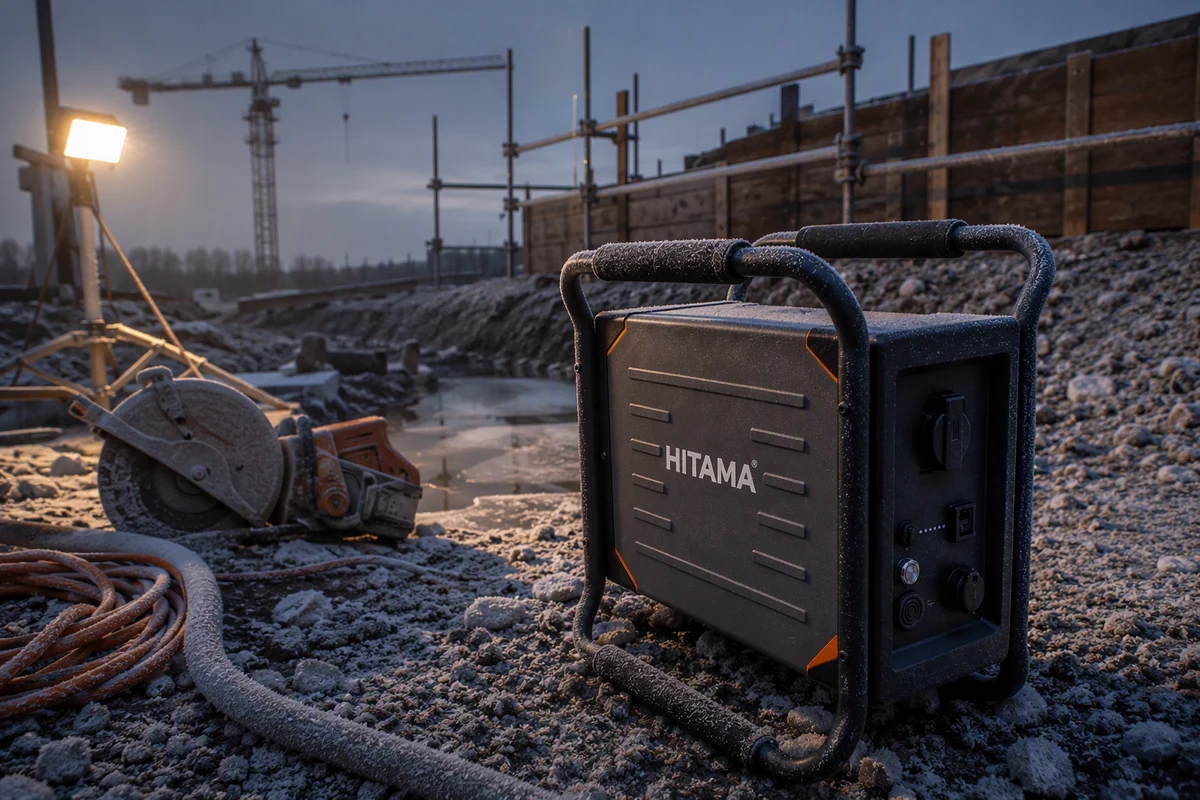
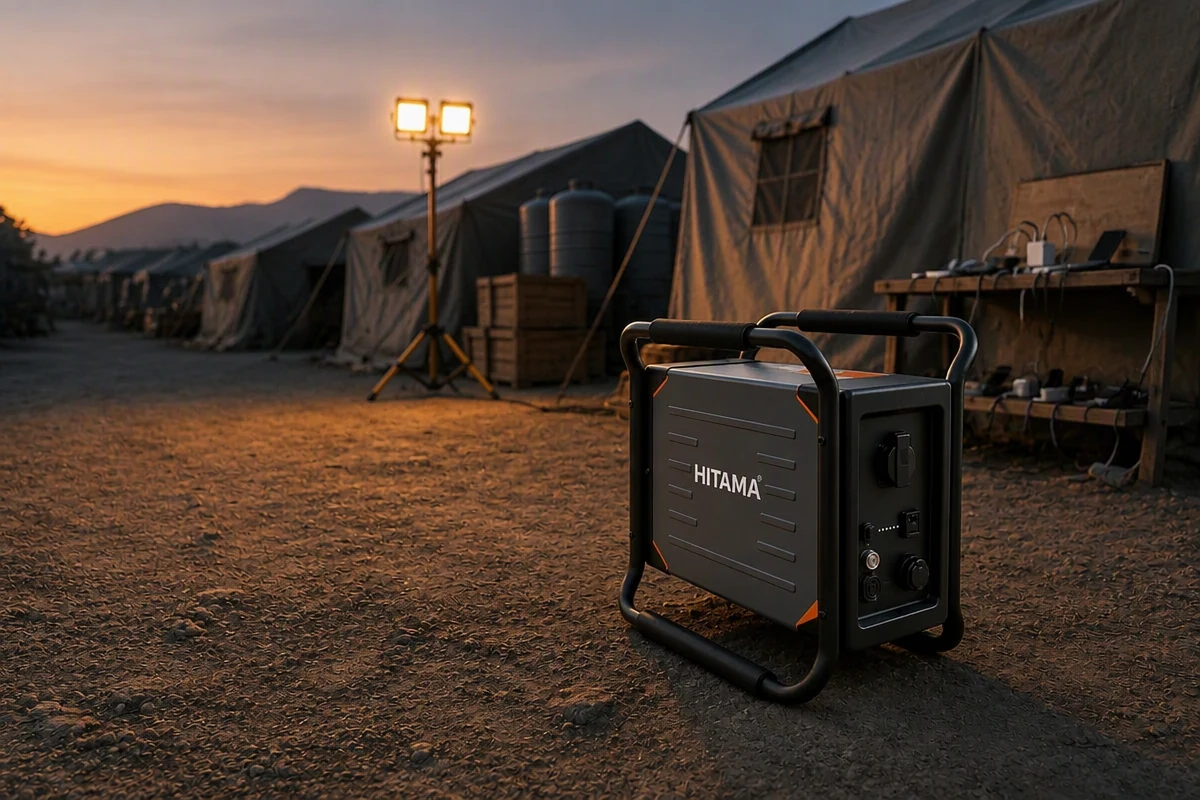
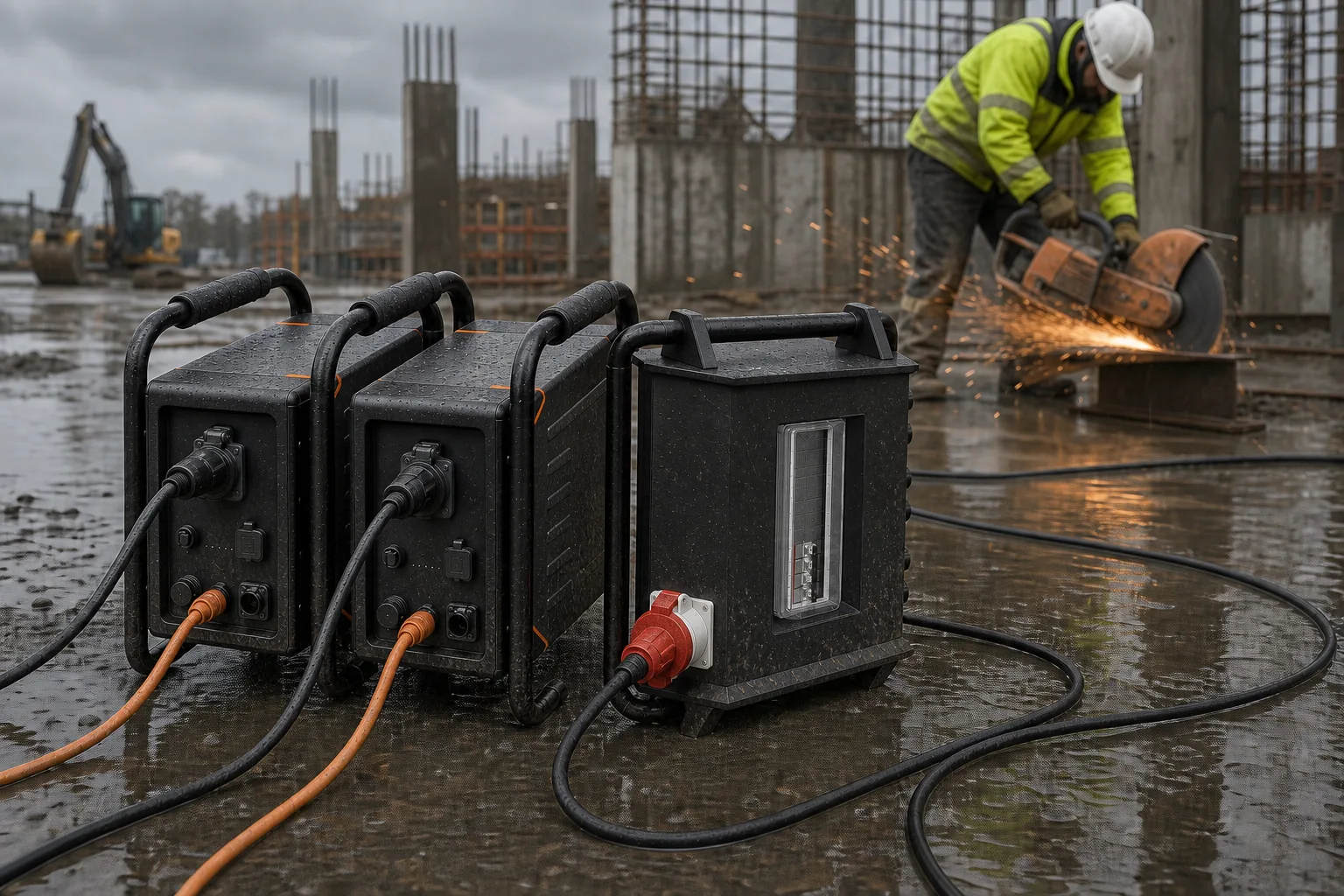
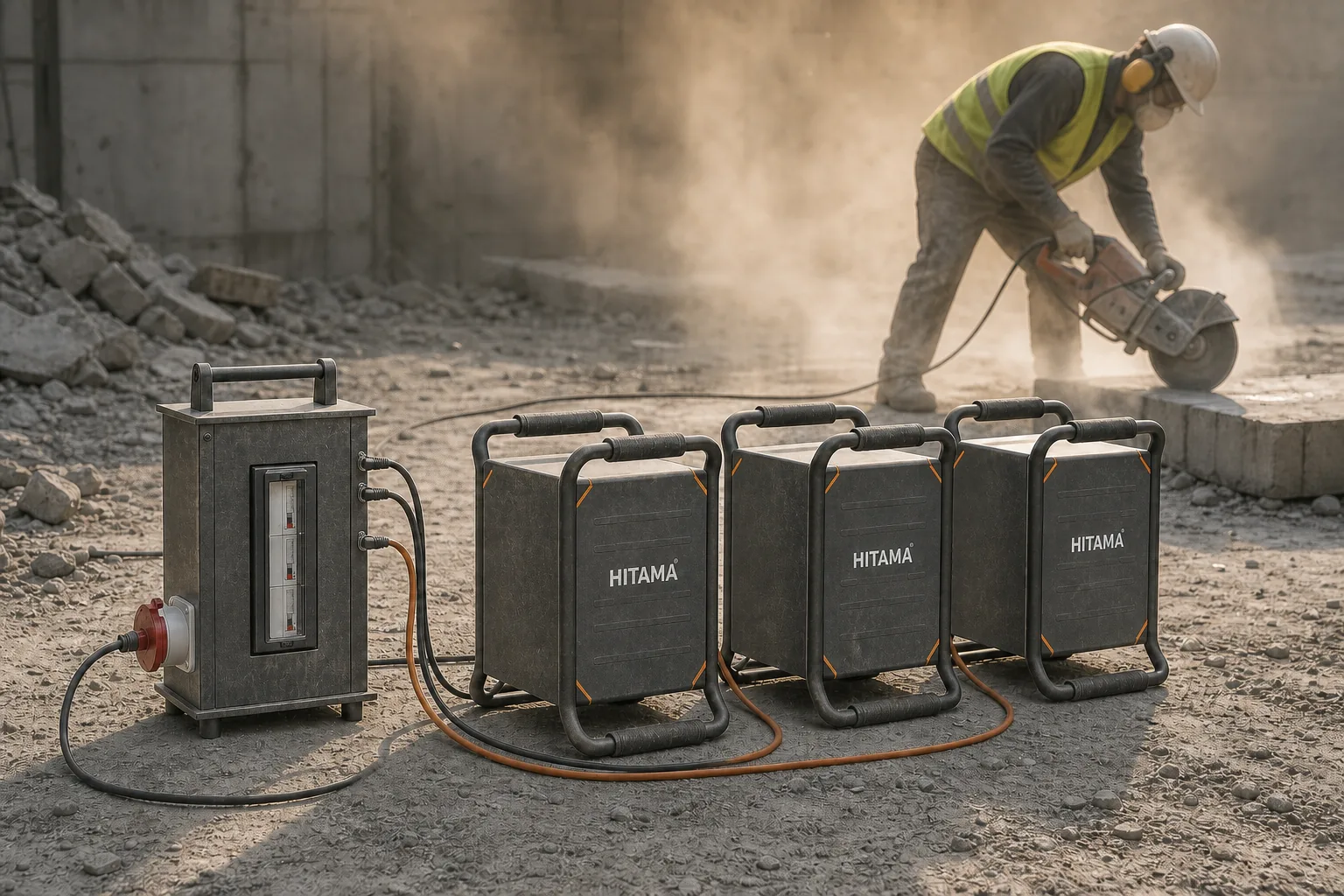
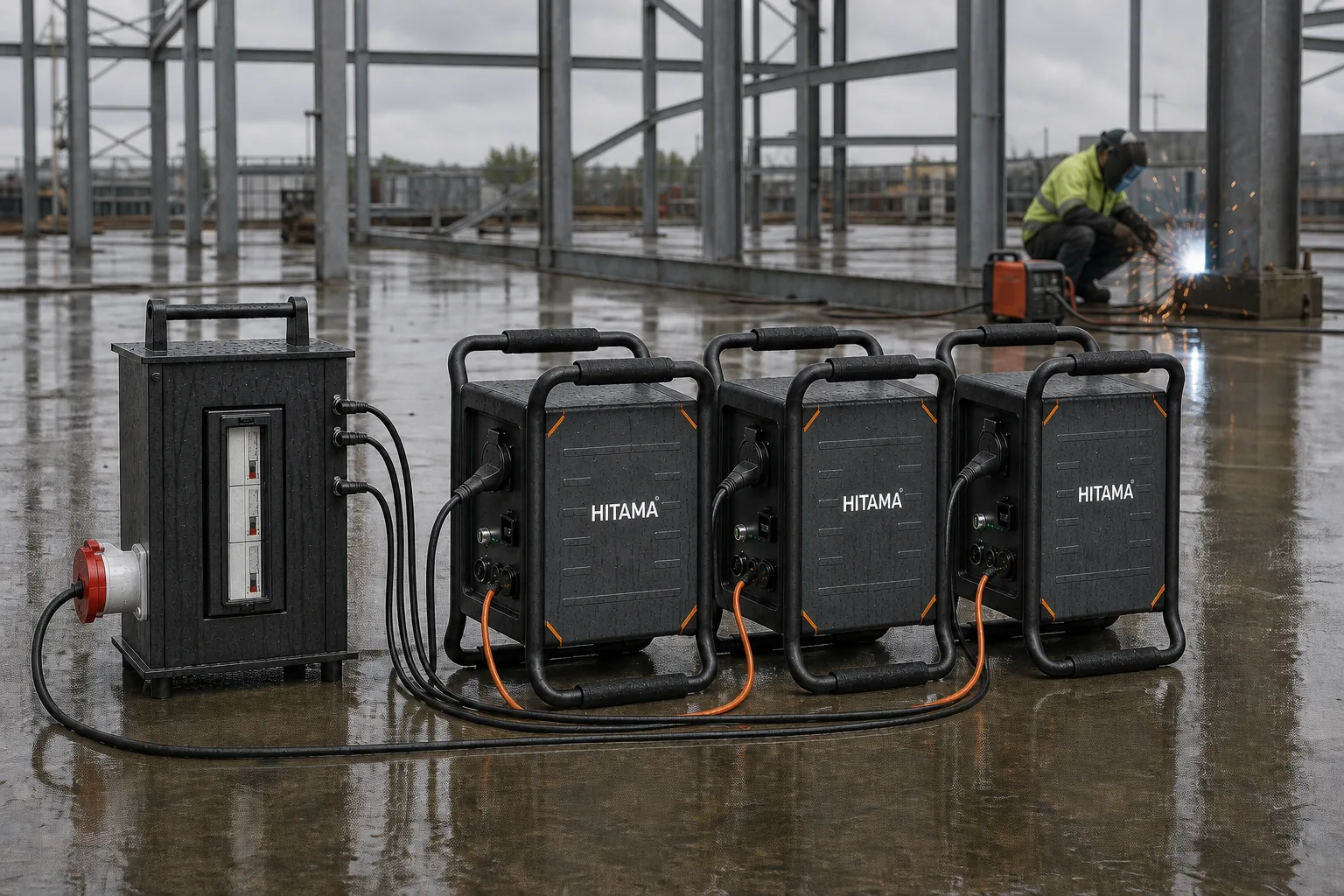
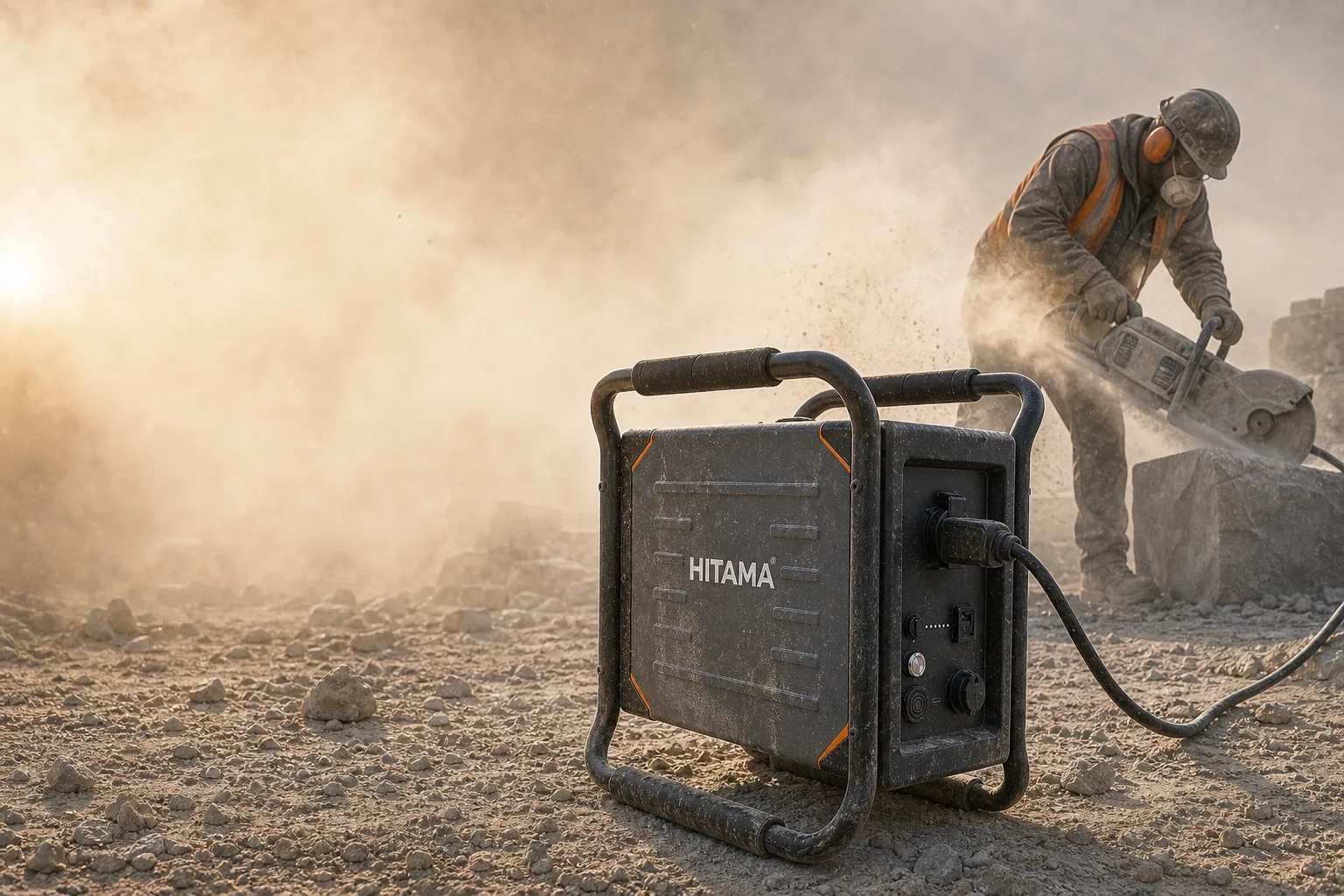
There is never enough power on a jobsite: breakers, cutters and lighting run at the same time, and a diesel cable drop means fuel, refuelling and noise. The P25 covers light loads at 2.5 kW; the P25-T three-phase system delivers 7.5 kW / 8.1 kWh straight into large cut-off and welding plant, mixing 230 V and 400 V scales as the load asks. IP54 for dust and rain, −10 to 65 °C all season, fan-less self-cooling that dust cannot clog. No exhaust, no fuel cart — the crew can talk, and the working window is not spent waiting for fuel.
Field notes in this sector
- Construction & civil works
The day is decided five minutes before the shift
A unit rarely runs out of energy at noon; it is emptied at seven, in the five minutes when nobody counts. State of charge at arrival, the load that ran all night, the one load without a duty cycle and the second wave of tools that appear at ten decide whether 2.7 kWh reaches the end of the shift.
- Construction & civil works
Commissioning is planned around a number nobody has yet
On a commissioning day the load is unknown until the first run, so the supply has to be changeable in the room rather than fixed in the quotation. A sealed module array lets the test sequence be corrected on site, with the recharge moved to the evening.
- Construction & civil works
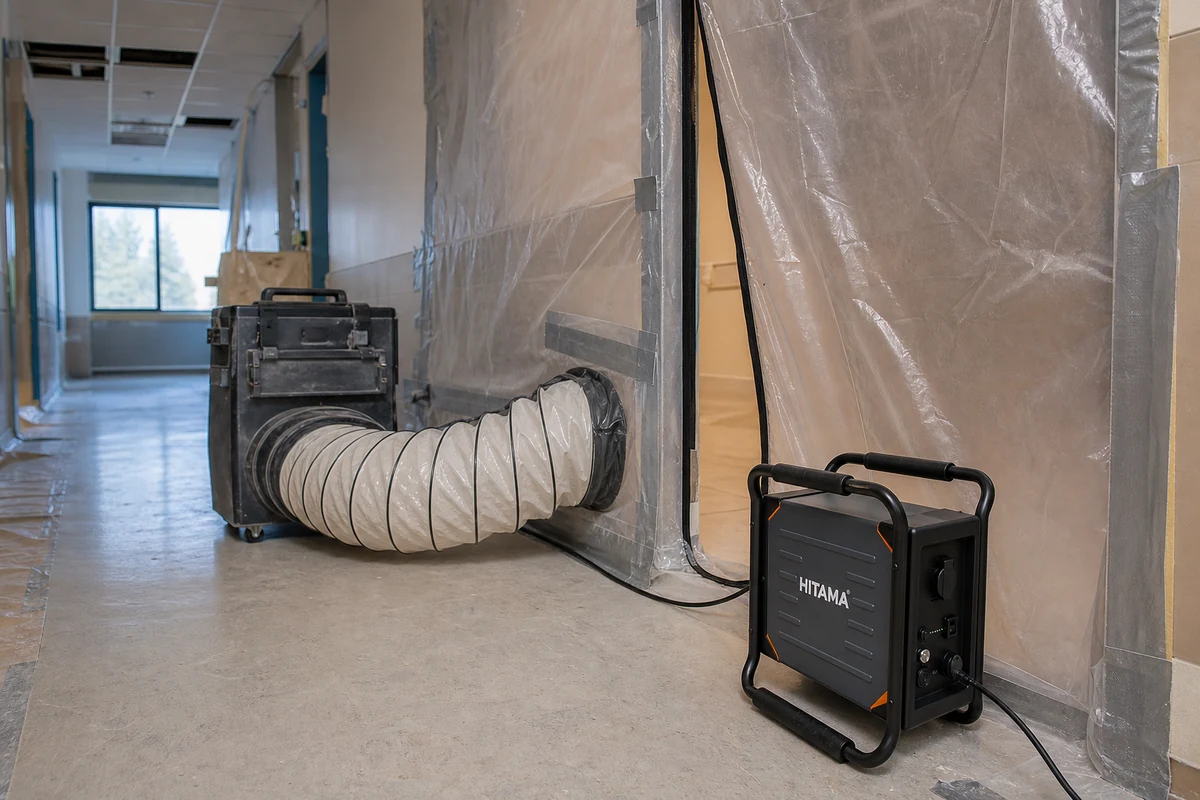
The sheet is not the barrier. The fan is.
A remediation containment is held by a continuously running air scrubber, not by the sheet and the tape. The power question is therefore a shift-length one: keep the sealed unit outside the envelope, size it against hours rather than peaks, and do not let the clearance run be pulled for the next job.
- Construction & civil works
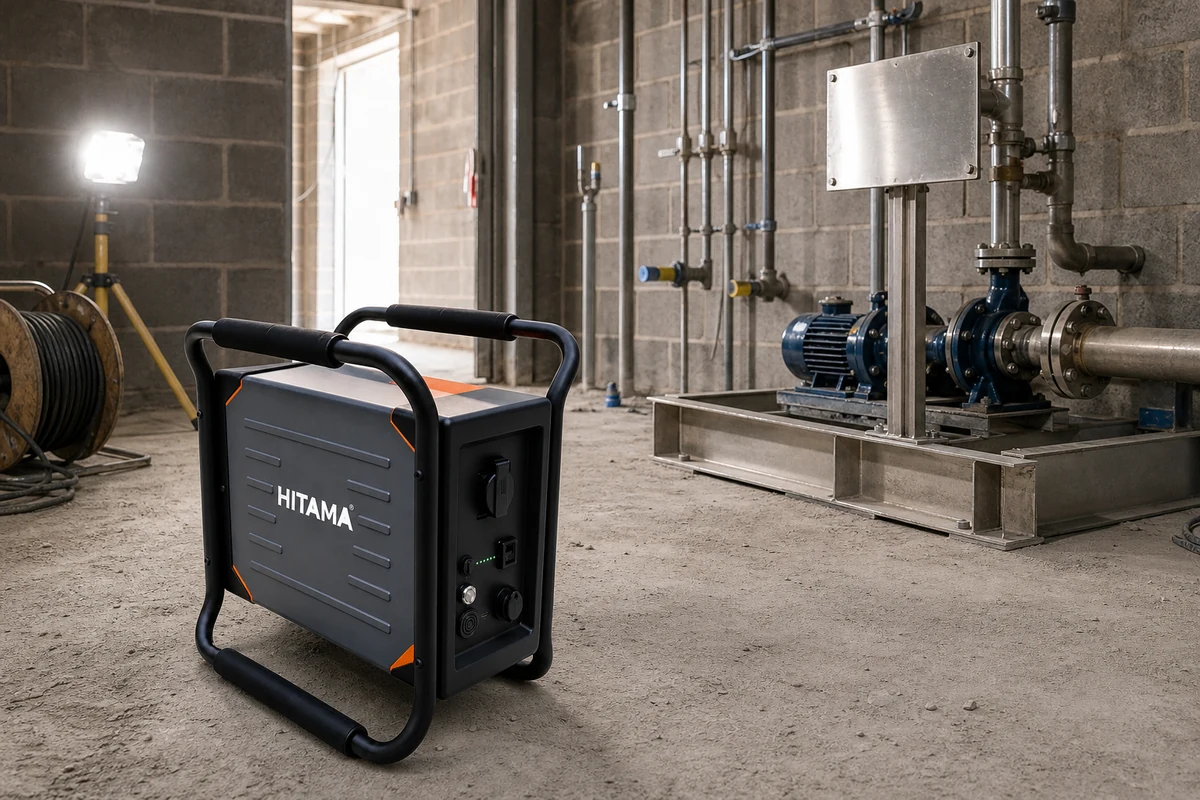
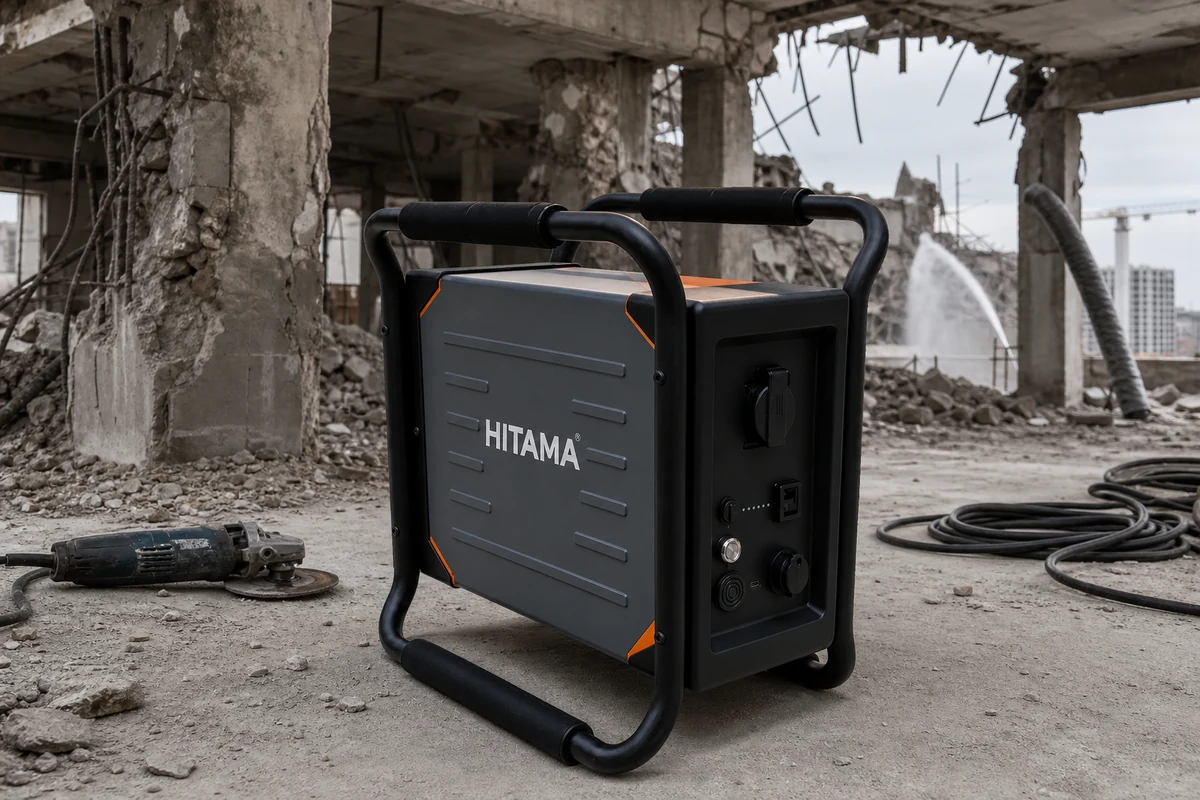
The meter leaves before the building does
On a demolition job the service is disconnected months before the walls come down, and the strip-out runs on carried power. Sizing follows the pump start, the floor count and the walk to the compound socket.
- Construction & civil works
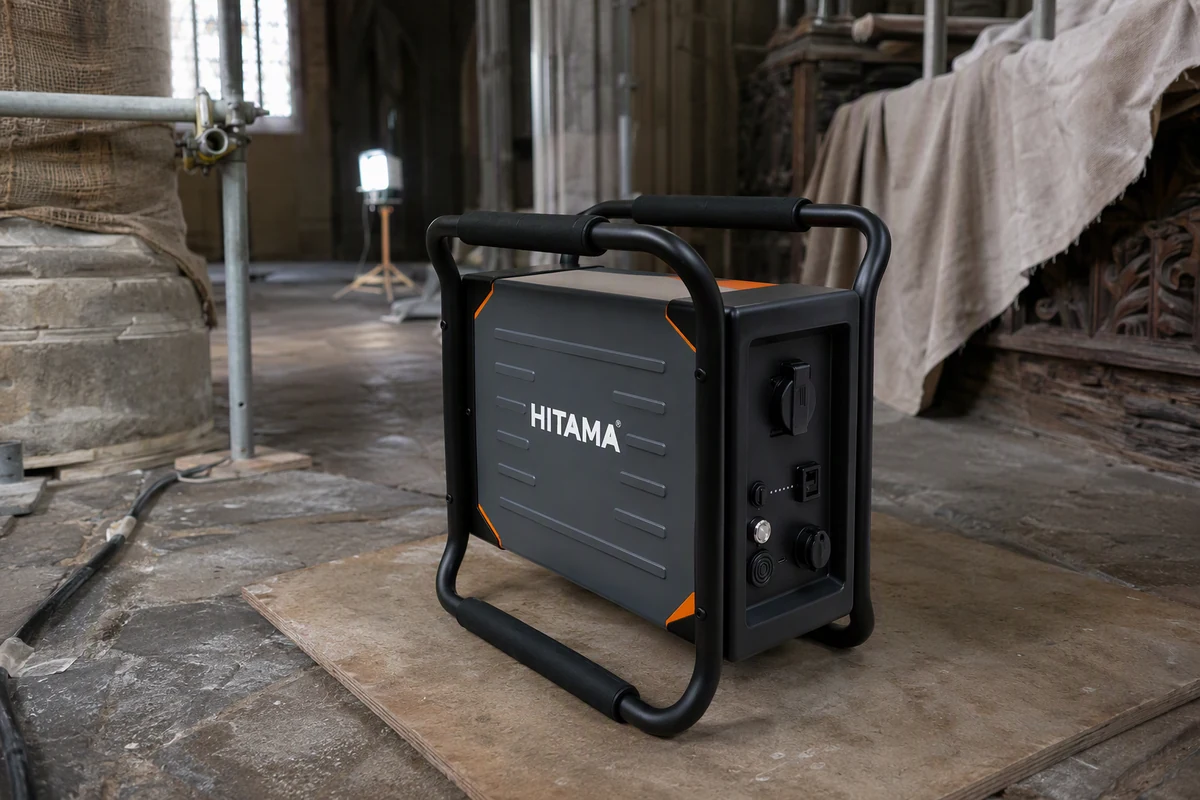
Power in a listed building is carried, not installed
In conservation work nothing may be fixed to the fabric, so the supply arrives with the tools and leaves with them. That turns sizing away from the project total and towards the heaviest task in one room.
- Construction & civil works
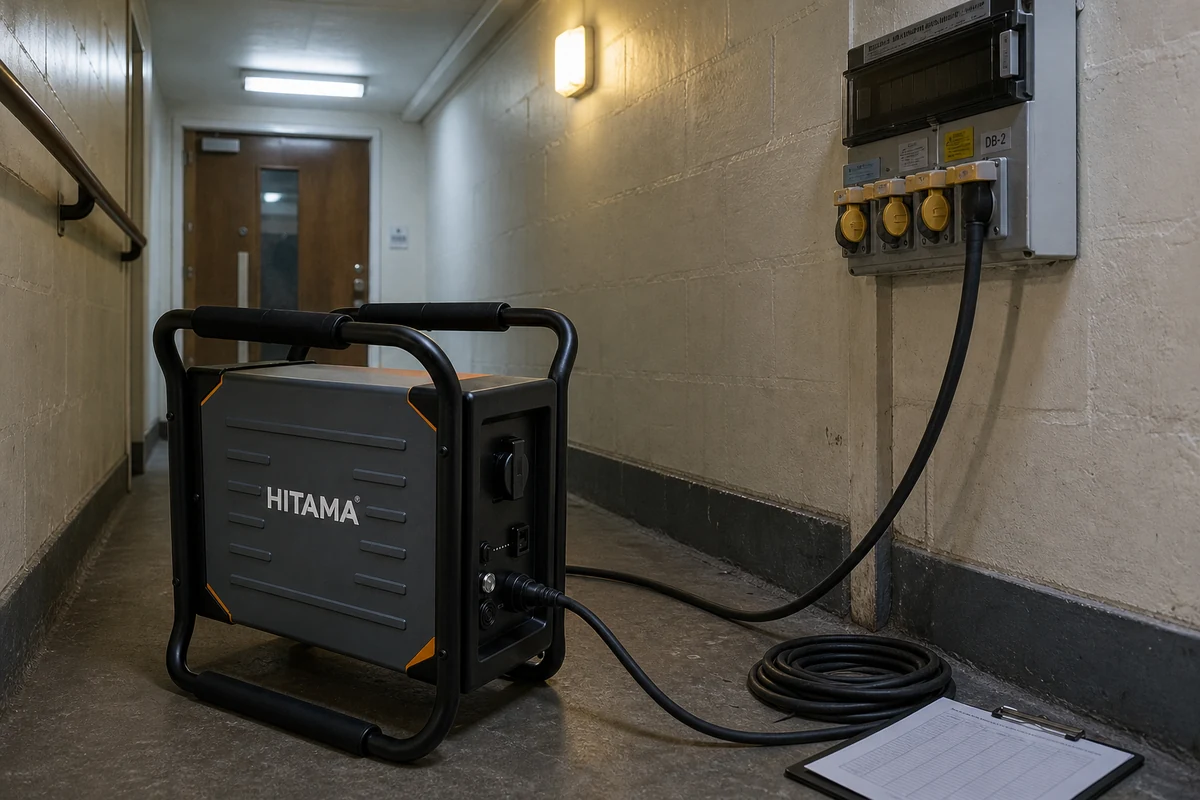
The switch-off is a sequence, not an event
A planned isolation is written as one line in a programme and executed as a dozen separate decisions. The unit is sized by each circuit's tolerance in minutes, not by the building's total kilowatts.
- Construction & civil works
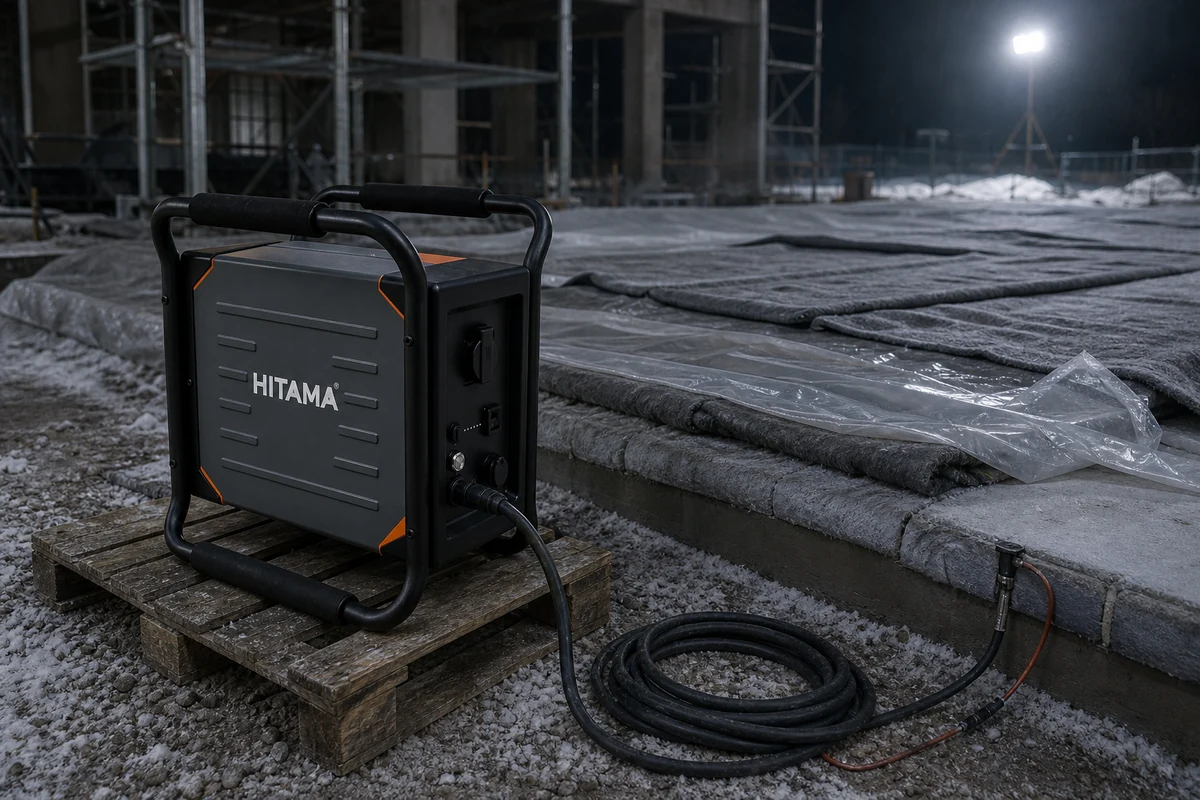
Frost protection is bought in nights, not in kilowatts
A frost-protection heater is switched by a thermostat, so the kilowatts on the plate are never what a night costs. The real numbers are the measured duty cycle and the interval between site visits.
- Construction & civil works
A gap in the record is the finding
A dust or noise monitor is the only load on a demolition site that fails without making a sound, and the missing data is what gets read later. The sizing month is January, the binding constraint is the heated inlet, and the real design work is the changeover round.
- Construction & civil works
Thirty metres of cable is a load, not a connection
A tool that starts on a five-metre lead trips on a thirty-metre one, and nothing about the tool has changed. On most sites the cable is the largest unplanned load in the circuit — which is why a portable unit belongs at the work face, not at the site entrance.
- Construction & civil works
Winter breaks the air path before it breaks the battery
Frost rarely takes a battery out of service; it takes the air path around it. This is how a sealed, fanless unit behaves inside its published range, and what falls outside it.
- Construction & civil works
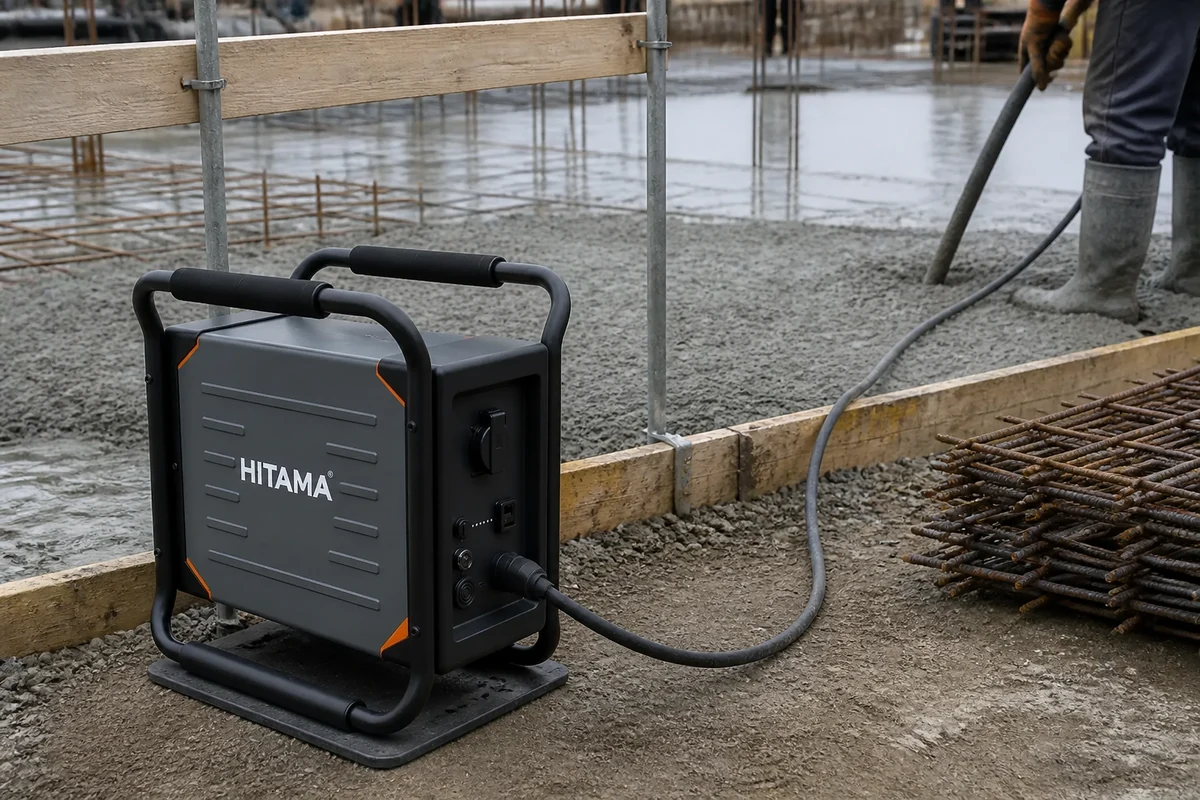
Where the pour stops, the joint starts
A concrete placement is a continuity test, not a load test: the vibrators are light, but an interruption leaves a cold joint that stays for the life of the structure. This is how siting, peak output and the gap between trucks decide whether the pour finishes.
- Construction & civil works
After 22:00, the meter stands at the boundary
Night work is judged on what is audible at the boundary, not on what the tool is doing. What a battery unit removes is the engine note, the exhaust and the refuel — the parts of the night that have nothing to do with the job.
- Construction & civil works
The crisis gets a date. The site is not on the list.
Germany's power security platform is meant to be operational from winter 2026/2027. Registration starts at 8 gigawatt-hours per withdrawal point – a construction site sits roughly three thousand times below that. If an outage is not something you can bill, the reserve has to be built beforehand.
- Construction & civil works
For rental fleets: ten seconds of surge, then rated power decides
Every datasheet carries two power figures. Only one of them comes with a duration, and it sits in brackets: peak output 5,000 W (≤10 s). Reading past that bracket is how fleets end up with the wrong class of machine.
- Construction & civil works
The CO₂ price stands still. The engine doesn't.
In 2027 Germany's national CO₂ price stays at 55 to 65 euro per tonne. The price push everyone waited for is not coming — the decision still gets made, just elsewhere.
- Construction & civil works
Cut-off saw on wet steel: why one unit often is not enough
Inrush current decides, not rated power: when a single P25 carries a cut-off saw, when two units on the P25-D are needed — and why the load hangs on the left of the box, not the front.
- Construction & civil works
Machine first, socket second: what the new excavator data means for rental yards
More than 570,000 excavators sold worldwide, one in two construction machines. The same report contains the line that matters for rental: electric excavators started to move in 2026 — and the power supply does not come with them.
- Construction & civil works
The 230/400 V switch: what procurement and rental decide before the order
A 230 V machine runs on almost any site. A three-phase load only runs when the output side matches. Three documented configurations with their output ratings — and the four questions to settle before the order.
- Construction & civil works
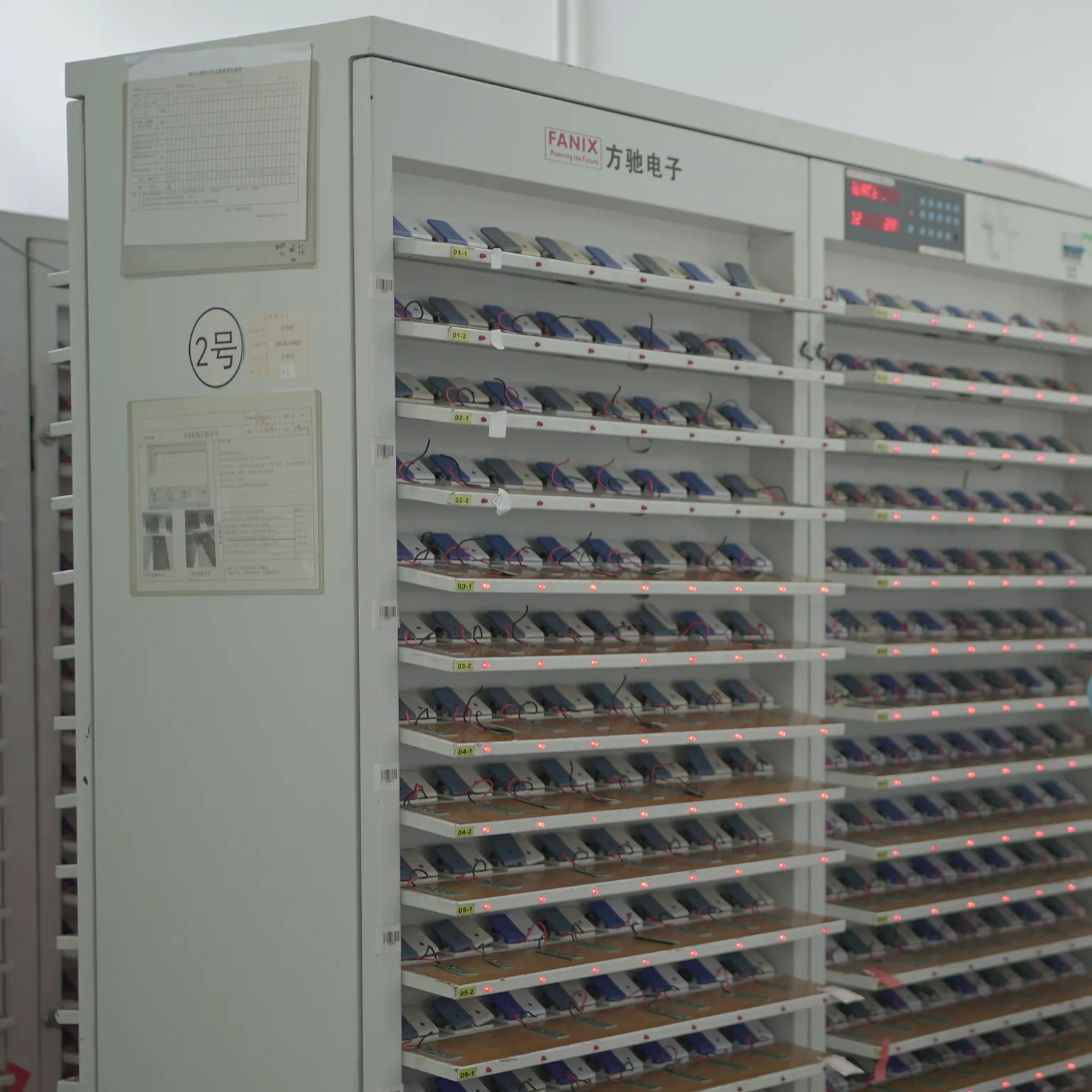
Three stations, ten checkpoints: what your unit goes through before it ships
Whether a unit survives a rental fleet is not decided in the datasheet. Every P25 and P36 unit passes through three stations and a ten-point protocol in our own plant. Every figure below comes from our own inspection sheet.
- Construction & civil works
Diesel generator or portable power station on site?
Diesel or battery is the wrong question — it mixes continuous load with working load. Four questions that settle it, plus the five figures to require in writing from any supplier.
- Construction & civil works
Why the cooling design decides service life
A fan needs an intake — and an intake is where dust and moisture get into the electronics. Why this design question matters more on dusty sites than the capacity figure.
- Construction & civil works
Load profile: what output does your work stage actually need?
Most sites are sized on the sum of all connections — and end up oversized. Four steps to a real load profile, with a worked example and the energy formula.



All sectors
- Construction & civil works
- Equipment rental
- Emergency response
- Fire & technical rescue
- Disaster relief & civil protection
- Defence & field operations
- Mining & quarrying
- Geological exploration & survey
- Welding supply
- Telecommunications & utilities
- Rail, tunnel & infrastructure
- Events, film & media
- Agriculture & outdoor work