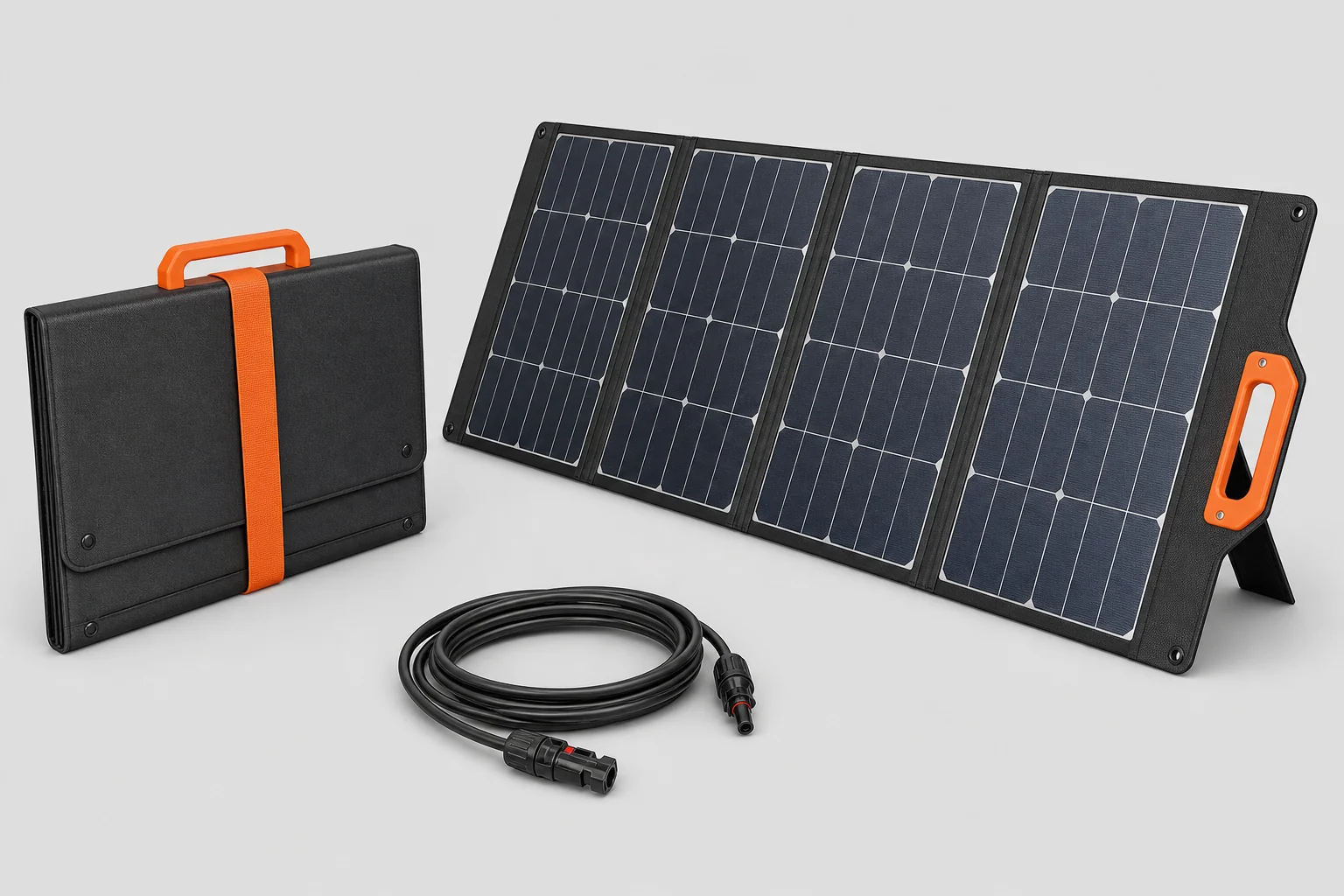
Stick, MIG/MAG or TIG: welding sets draw a multiple of their rated current when the arc strikes. Portable storage delivers that current without diesel, without exhaust, and without a cable drum back to the nearest building supply.
Process first, sizing second
Fix the process — stick, MIG/MAG or TIG. Each has its own duty profile: stick welding runs in bursts, MIG/MAG runs continuously.
Read the input power and the duty cycle from the rating plate. The duty cycle states how long the set may run at a given current before it must cool — that, not peak power alone, decides the sizing.
Include the strike current. At arc strike the set briefly draws a multiple of its rated current; a storage unit that only just covers the rated load trips exactly here.
Check the voltage. MIG/MAG sets above the trade grade generally require 400 V three-phase. That leads to a three-phase configuration — not to a larger single-phase unit.
One unit, two units, three units
One unit covers stick welding at trade level and is carried to the weld by one person — the case nobody designs a cable drum for.
Two units in parallel cover longer seams plus the loads beside them: grinder, extraction, lighting — in parallel with the torch.
Three units deliver 400 V three-phase for sets that will not start without it, and spread the load across three storage units.
P-series parallel power systems
One modular platform. Add parallel units where the load grows — two or three units single-phase, or three units for 400 V three-phase.
Configuration
Units
Rated power
Usable capacity
Weight
Output
P25
1
2,500 W
2.7 kWh
29 kg
230 V / 16 A · single-phase
P25 + P25-D
2
5,000 W
5.4 kWh
≈60 kg
230 V · single-phase · AC230V/20A output
P25 + P25-D
3
7,500 W
8.1 kWh
≈90 kg
230 V · single-phase · AC230V/30A output
P25 + P25-T
3
7,500 W
8.1 kWh
≈90 kg
400 V · three-phase · AC400V/10A output
P25
Units
1
Rated power
2,500 W
Usable capacity
2.7 kWh
Weight
29 kg
Output
230 V / 16 A · single-phase
P25 + P25-D
Units
2
Rated power
5,000 W
Usable capacity
5.4 kWh
Weight
≈60 kg
Output
230 V · single-phase · AC230V/20A output
P25 + P25-D
Units
3
Rated power
7,500 W
Usable capacity
8.1 kWh
Weight
≈90 kg
Output
230 V · single-phase · AC230V/30A output
P25 + P25-T
Units
3
Rated power
7,500 W
Usable capacity
8.1 kWh
Weight
≈90 kg
Output
400 V · three-phase · AC400V/10A output
Wiring
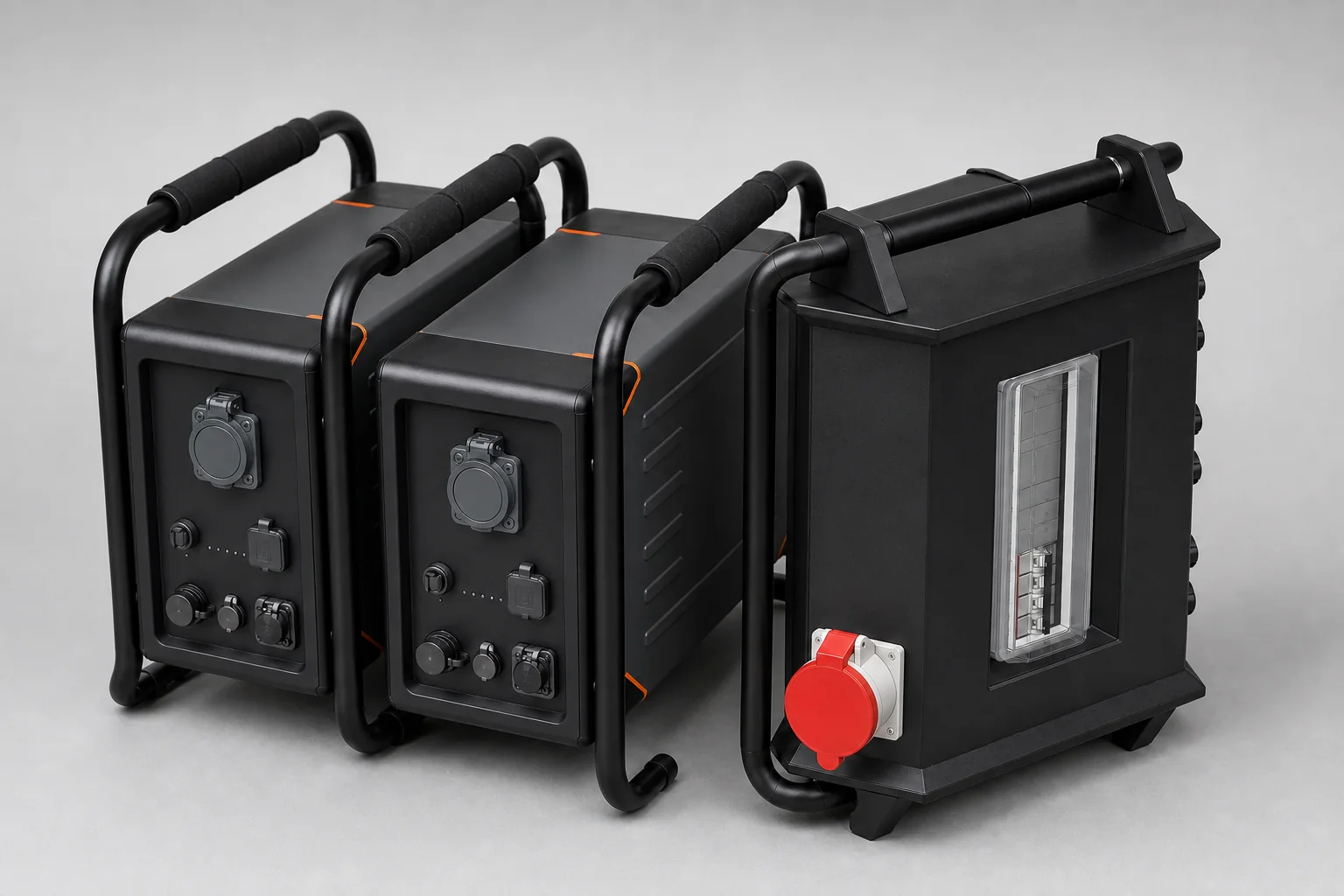
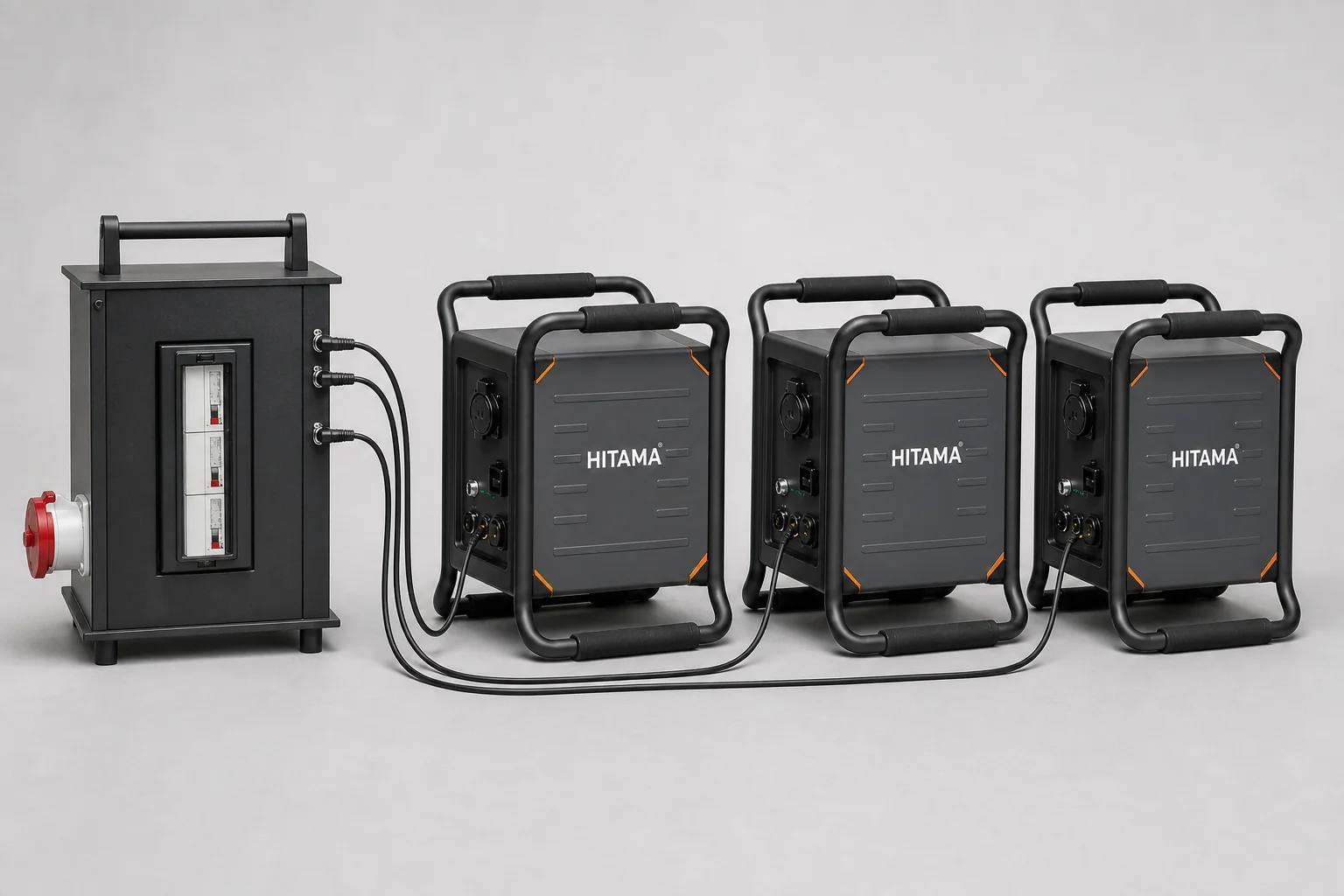
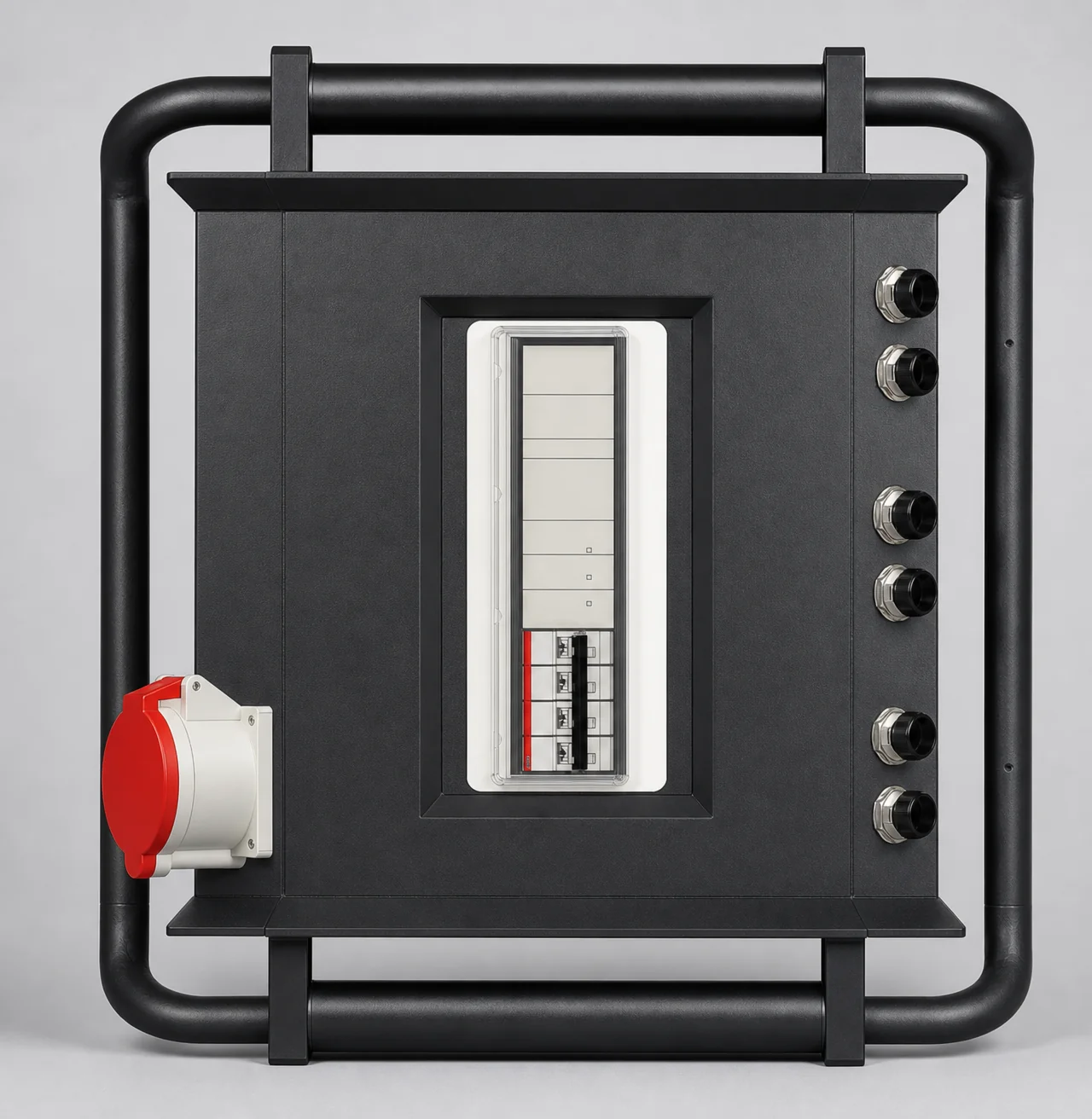
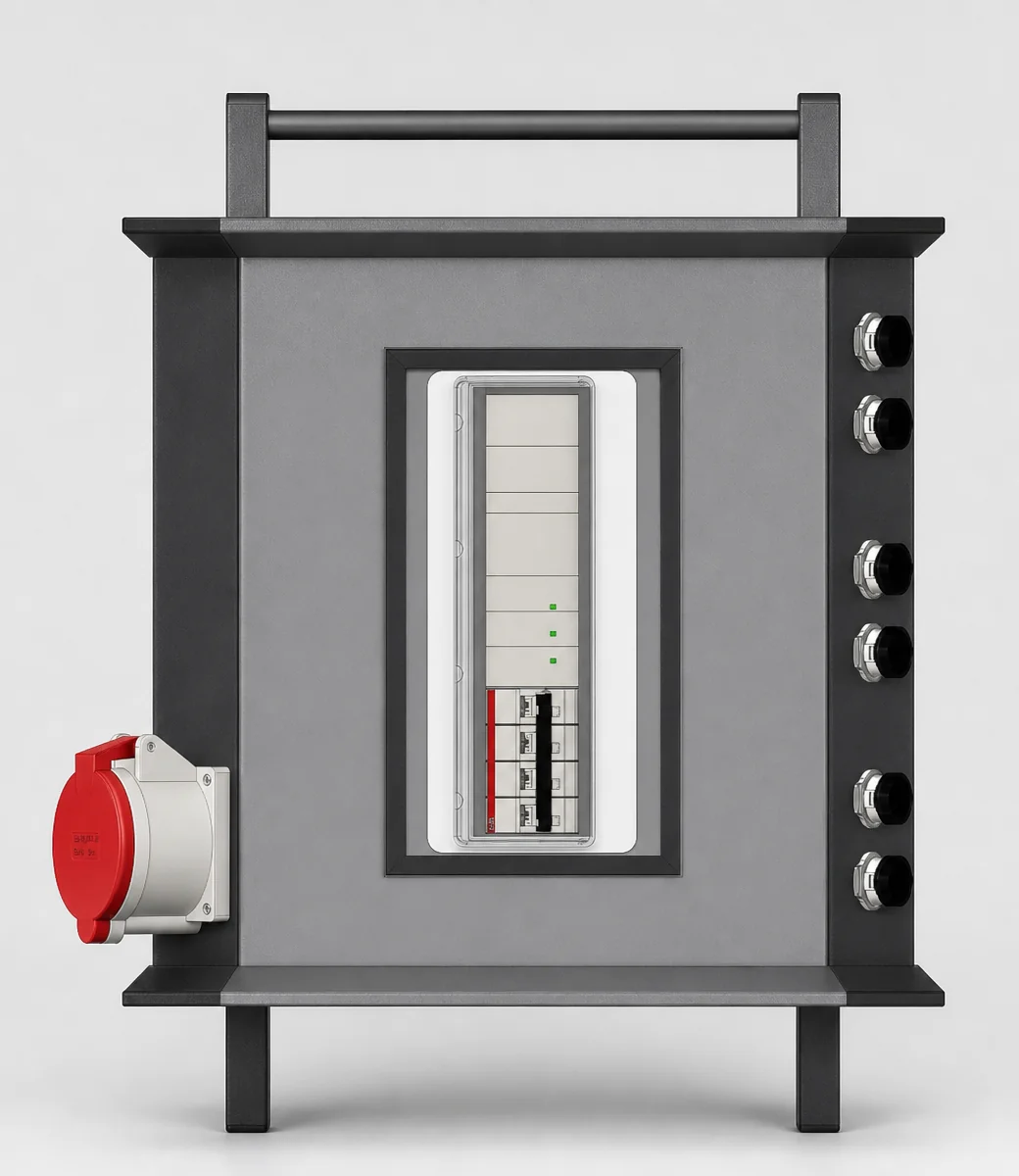
The parallel distribution unit carries one power input and one data input per battery unit, and a single output to the load.
AC230V/20ATwo P25 units, 230 V single-phase.
AC230V/30AThree P25 units, 230 V single-phase.
AC400V/10AThree 230 V P25 units in parallel make 400 V three-phase — all three required, or the system loses a phase.
How the parallel link is wired
Each P25 runs one power cable and one data cable to its own input pair on the distribution unit.
The distribution unit has three input pairs (L1 / L2 / L3); one pair per battery unit.
Only the distribution unit output feeds the load. Battery units are never connected to the load directly.
Each unit keeps its own protective device; no unit back-feeds another.
Three configurations, one platform
Start with a single unit and add parallel units only when the load demands it. Every configuration runs the same battery unit and the same distribution unit.
P25
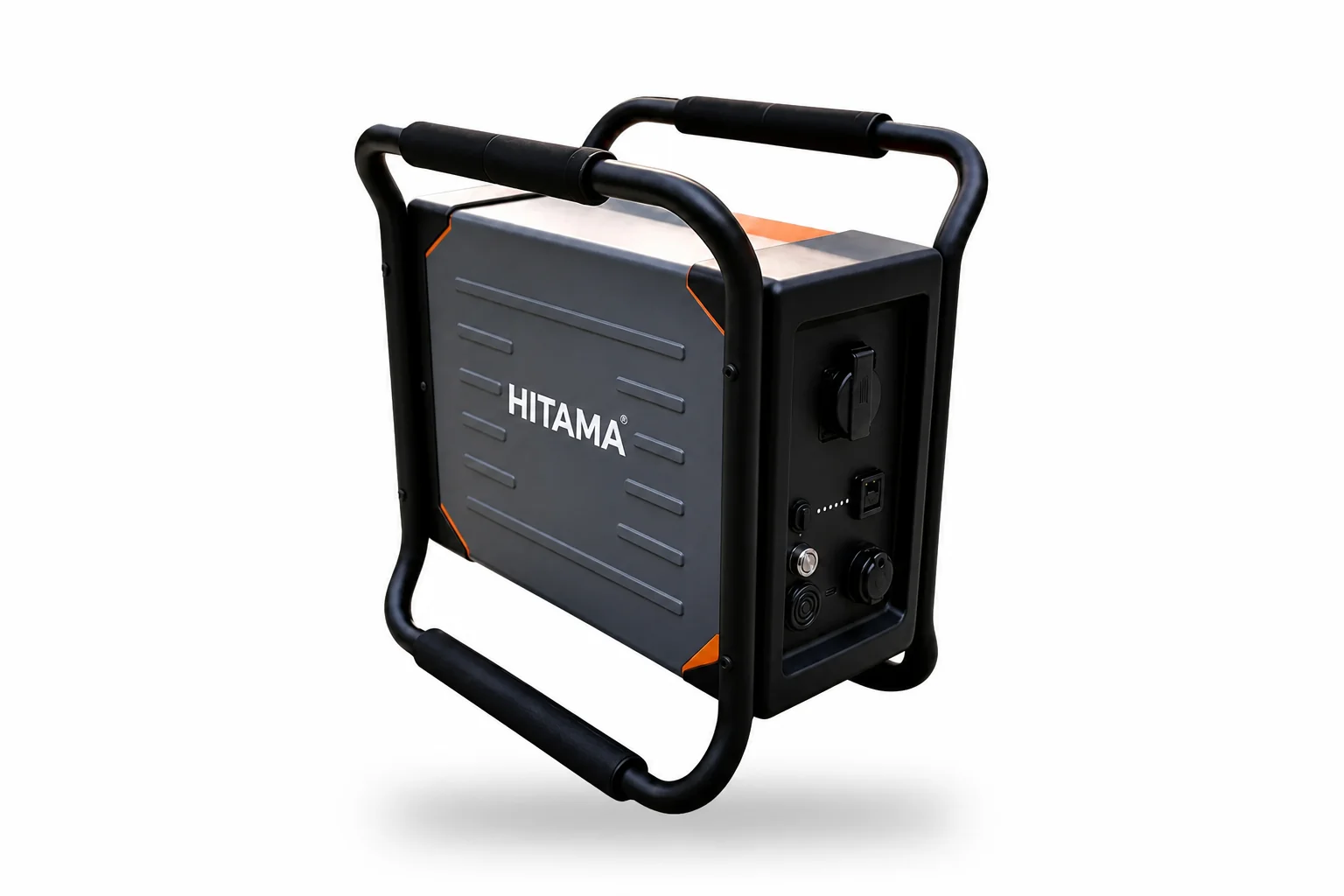
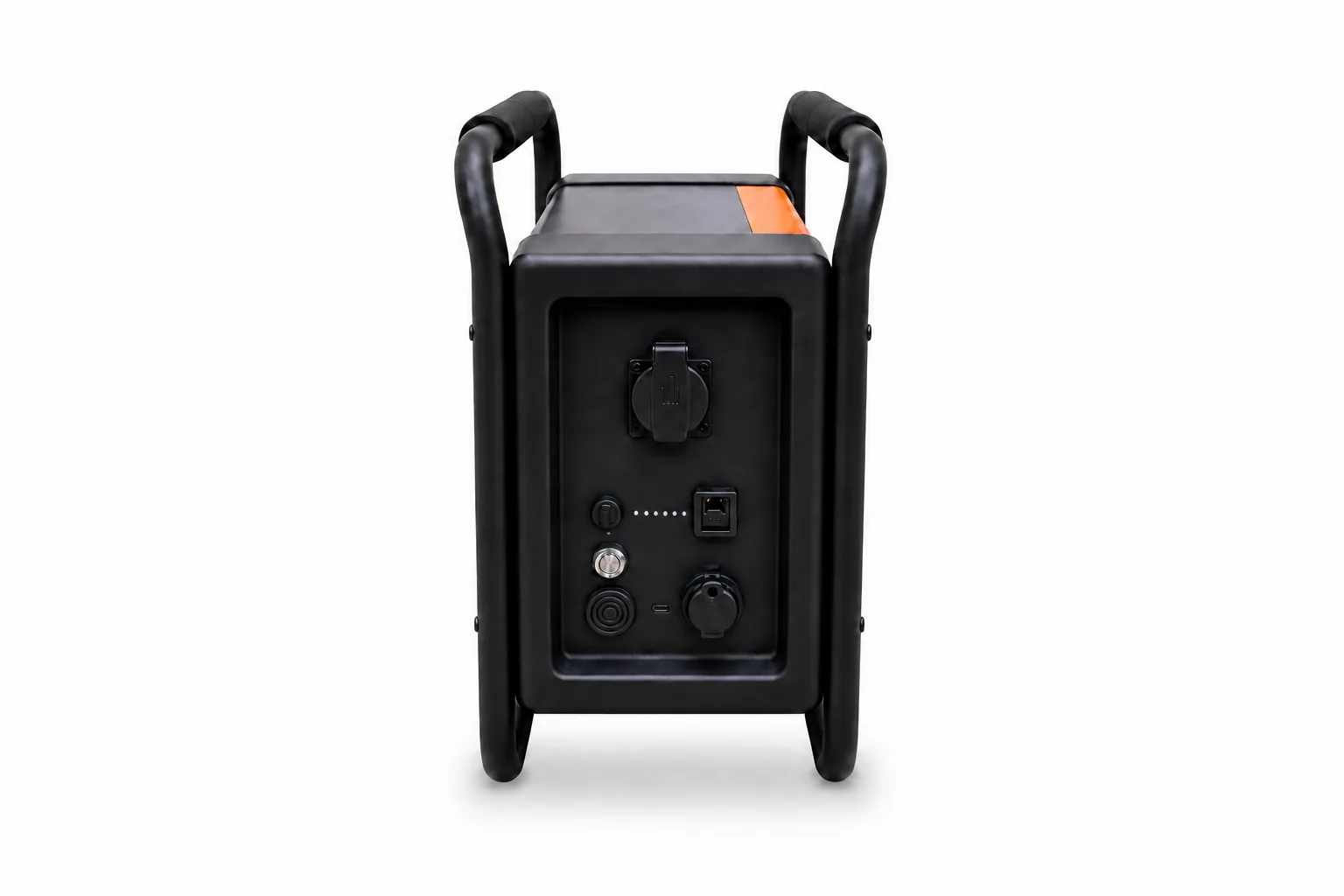
The core unit. A fanless, self-cooling 230 V power station that replaces the combustion generator on site — no exhaust, no idling noise, no fuel run.
Two or three units linked through the parallel distribution unit for 230 V single-phase loads. Power and capacity stack — start with two, add a third when the job needs it.
Three 230 V P25 units in parallel produce the 400 V three-phase supply that runs tools which will not start on single phase. All three are required — remove one and the system loses a phase. Carried and assembled by hand: no crane, no lifting gear.
Technical data, conformity and transport conditions are in the data sheet. Three details are enough for a sizing on your case: the process, the current you weld at, and whether three-phase is required.
The questions buyers actually ask before a first order — answered with numbers from our own datasheets, not from a brochure.
Can a portable power station run a welding set?
Yes, if the strike current is covered. What decides is not the rated power of the set but the duty cycle and the brief current at arc strike. Ask the equipment maker for both figures and size on those — not on the amperage printed on the shop sign.
Why does the storage unit trip at arc strike although the rated load fits?
Because the protection reacts to short current peaks. A unit that only just covers the continuous load sits above it at strike current and disconnects. Planning reserve, or adding a second unit in parallel, is the usual route.
Do I need 400 V three-phase for MIG/MAG?
Above trade grade, generally yes. A single-phase output cannot serve a three-phase load, regardless of rating. If the rating plate says 400 V, the route is a three-phase configuration — not a larger single-phase unit.
How long does one unit last for a weld seam?
That depends on process, current and duty cycle; a blanket figure in minutes would be wrong. Add up the pure arc time and compare it with usable capacity. Pauses between seams do not count as load.

 12345678
 1234567891011
 1234567891011