Some loads simply will not start without real three-phase supply: MIG/MAG sets above trade grade, larger water pumps, mixers, extraction with a three-phase motor. A single-phase output does not help there — regardless of rating.
Why a bigger single-phase unit is not the answer
An inverter delivers one phase. A three-phase load needs three phases offset from each other — that is topology, not rating.
Three-phase is formed as a combination: several units run phase-shifted, and a distribution module brings them together into a genuine 400 V connection.
Check which loads genuinely require three-phase and which only draw 230 V. Often it is one or two machines; everything else keeps running single-phase.
Watch load balance: one heavily loaded phase limits the whole system, even when two phases still have headroom.
From a single unit to a three-phase configuration
One unit: 230 V for hand tools, lighting and electronics — the base that covers almost everything.
Two units in parallel: more power and more capacity, still single-phase — useful when several loads run at once.
Three units plus distribution: genuine 400 V three-phase for sets that will not start otherwise, with the load spread across three storage units.
P-series parallel power systems
One modular platform. Add parallel units where the load grows — two or three units single-phase, or three units for 400 V three-phase.
Configuration
Units
Rated power
Usable capacity
Weight
Output
P25
1
2,500 W
2.7 kWh
29 kg
230 V / 16 A · single-phase
P25 + P25-D
2
5,000 W
5.4 kWh
≈60 kg
230 V · single-phase · AC230V/20A output
P25 + P25-D
3
7,500 W
8.1 kWh
≈90 kg
230 V · single-phase · AC230V/30A output
P25 + P25-T
3
7,500 W
8.1 kWh
≈90 kg
400 V · three-phase · AC400V/10A output
P25
Units
1
Rated power
2,500 W
Usable capacity
2.7 kWh
Weight
29 kg
Output
230 V / 16 A · single-phase
P25 + P25-D
Units
2
Rated power
5,000 W
Usable capacity
5.4 kWh
Weight
≈60 kg
Output
230 V · single-phase · AC230V/20A output
P25 + P25-D
Units
3
Rated power
7,500 W
Usable capacity
8.1 kWh
Weight
≈90 kg
Output
230 V · single-phase · AC230V/30A output
P25 + P25-T
Units
3
Rated power
7,500 W
Usable capacity
8.1 kWh
Weight
≈90 kg
Output
400 V · three-phase · AC400V/10A output
Wiring
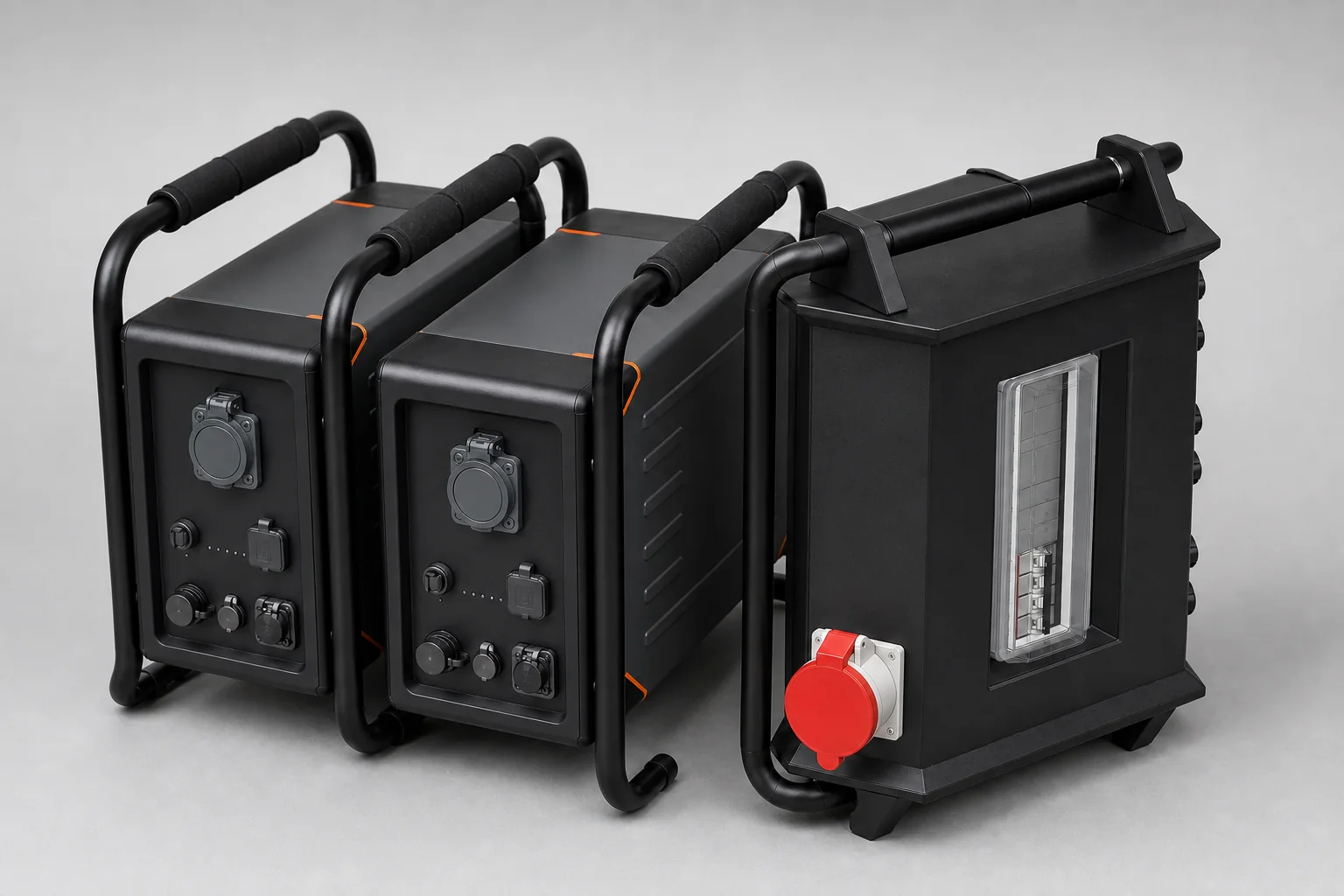
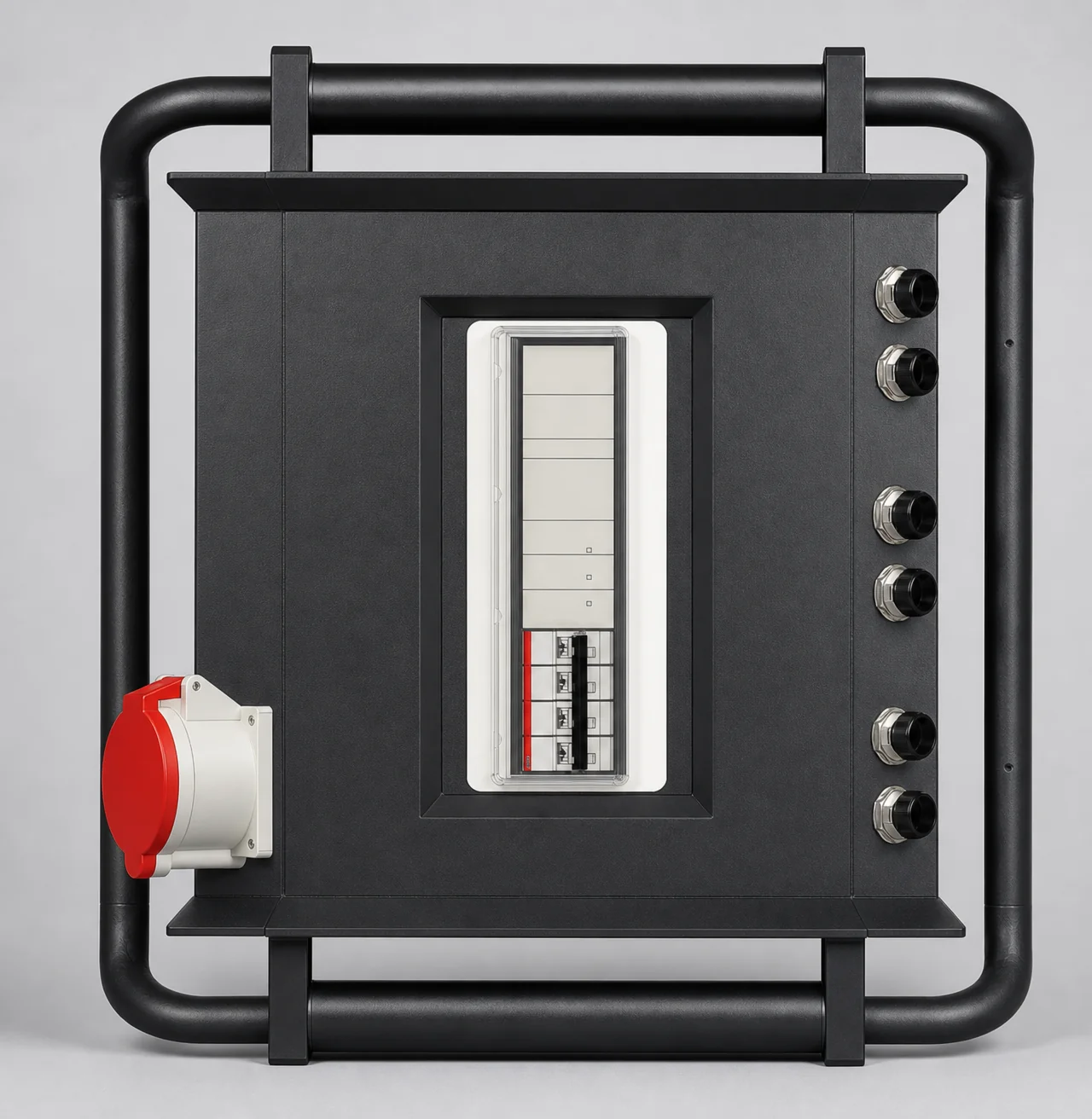
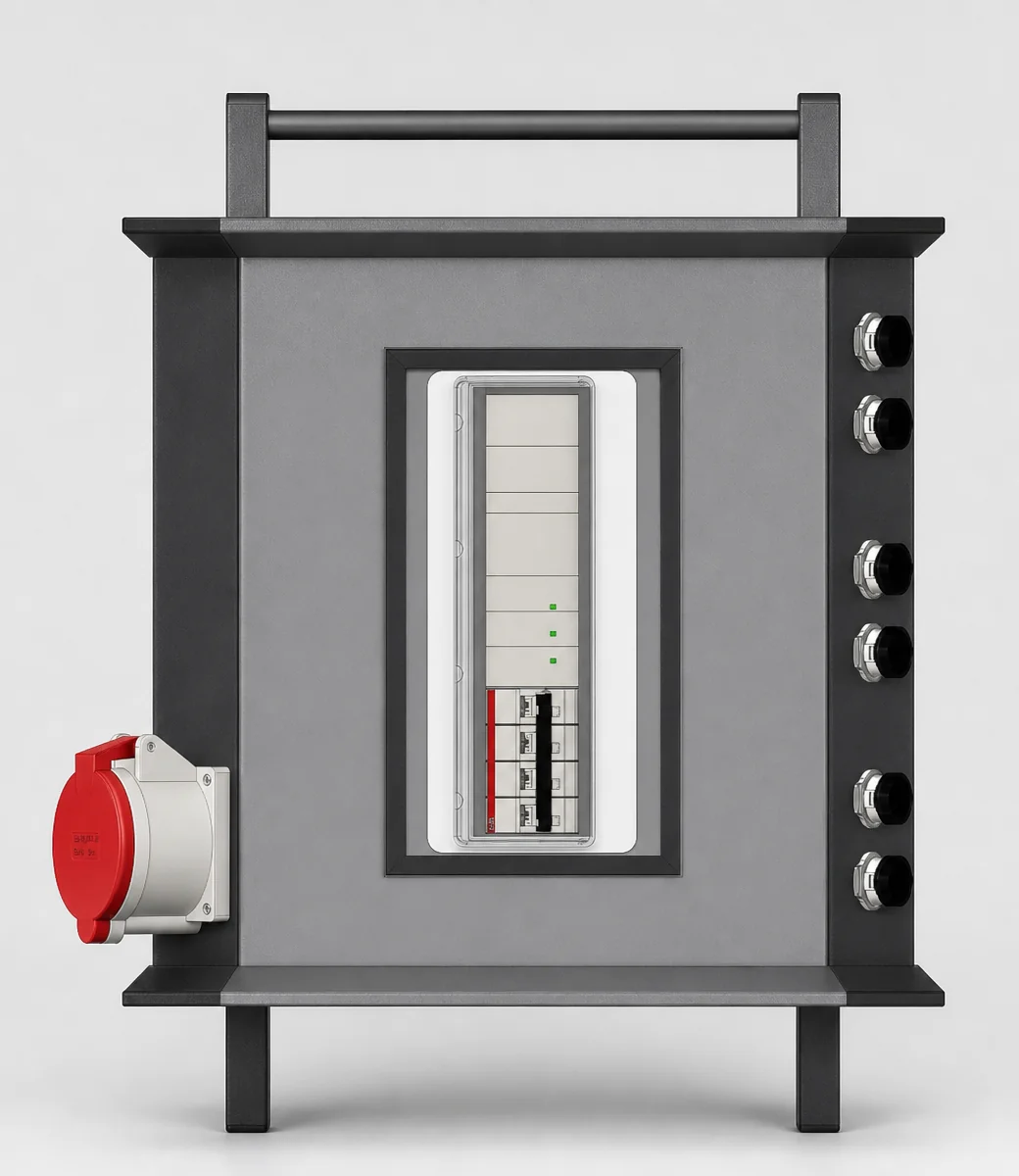
The parallel distribution unit carries one power input and one data input per battery unit, and a single output to the load.
AC230V/20ATwo P25 units, 230 V single-phase.
AC230V/30AThree P25 units, 230 V single-phase.
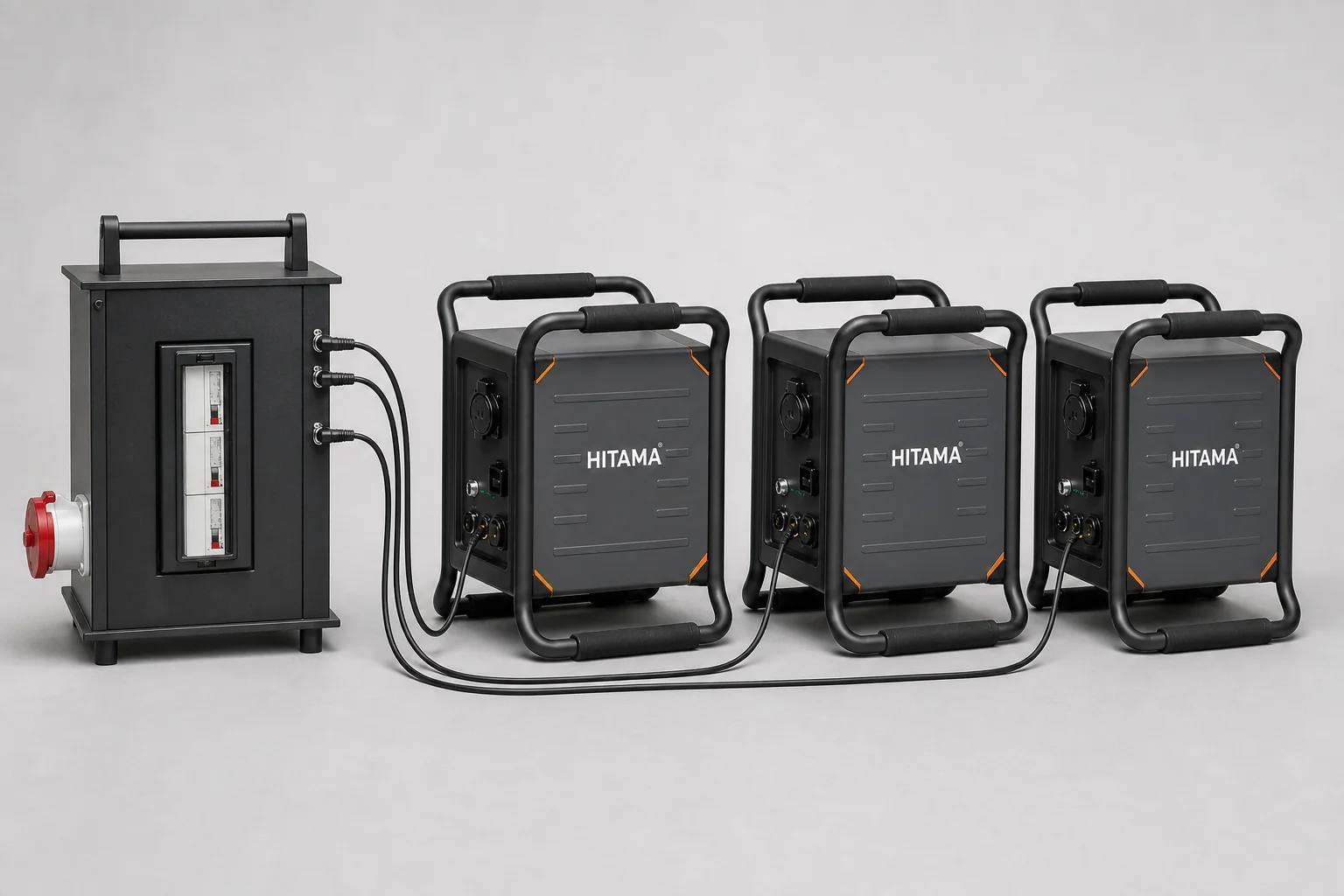
AC400V/10AThree 230 V P25 units in parallel make 400 V three-phase — all three required, or the system loses a phase.
How the parallel link is wired
Each P25 runs one power cable and one data cable to its own input pair on the distribution unit.
The distribution unit has three input pairs (L1 / L2 / L3); one pair per battery unit.
Only the distribution unit output feeds the load. Battery units are never connected to the load directly.
Each unit keeps its own protective device; no unit back-feeds another.
Three configurations, one platform
Start with a single unit and add parallel units only when the load demands it. Every configuration runs the same battery unit and the same distribution unit.
P25
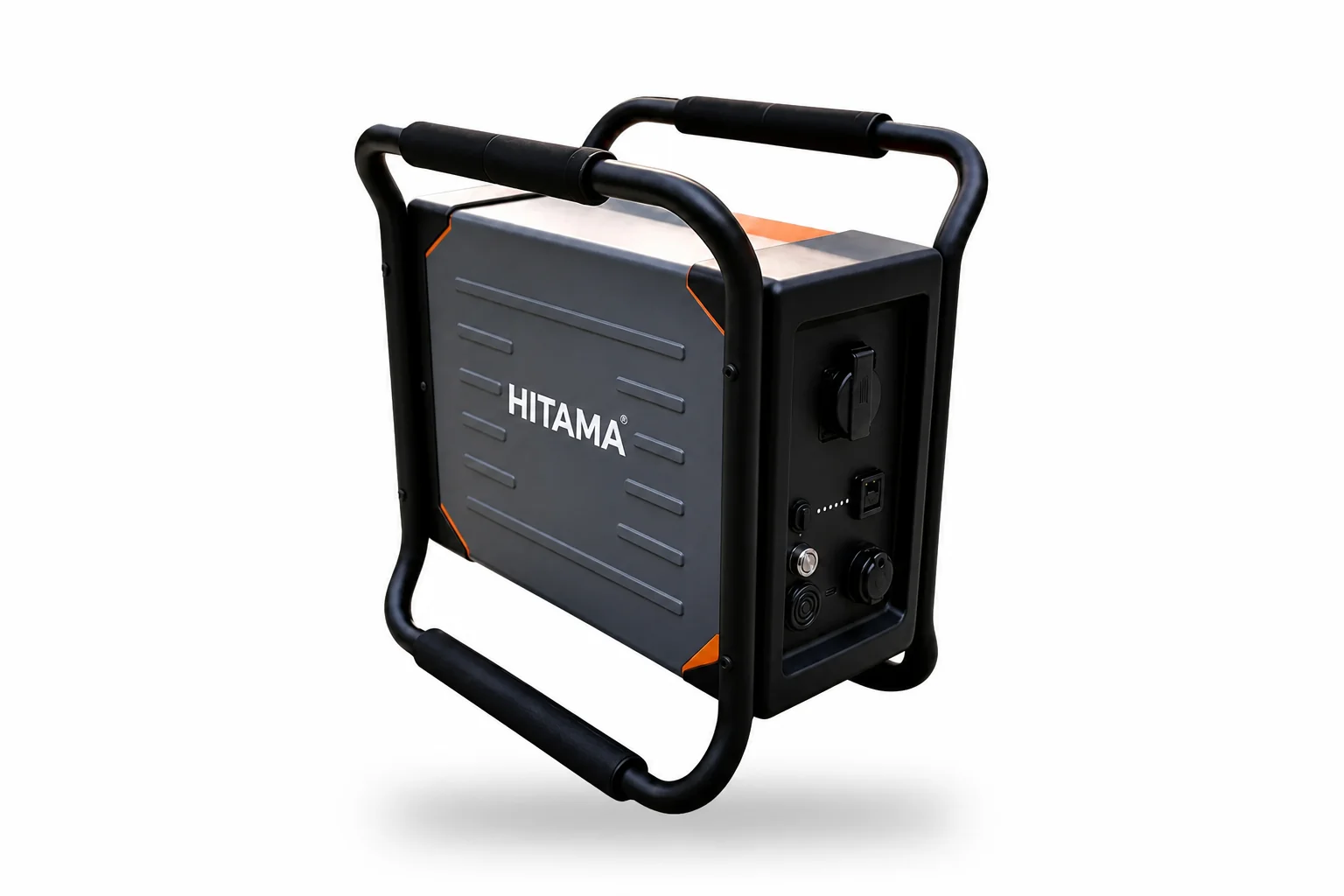
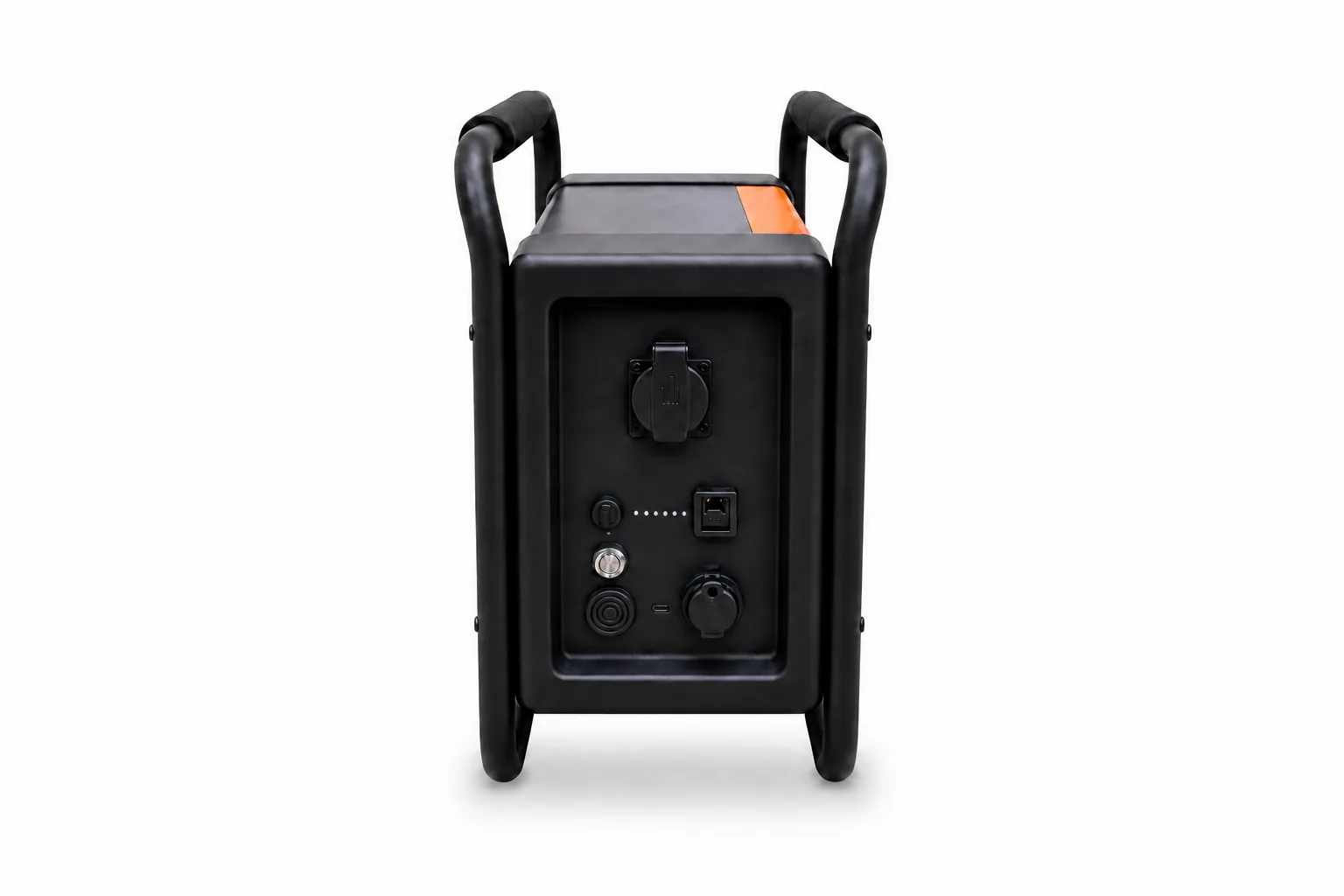
The core unit. A fanless, self-cooling 230 V power station that replaces the combustion generator on site — no exhaust, no idling noise, no fuel run.
Two or three units linked through the parallel distribution unit for 230 V single-phase loads. Power and capacity stack — start with two, add a third when the job needs it.
Three 230 V P25 units in parallel produce the 400 V three-phase supply that runs tools which will not start on single phase. All three are required — remove one and the system loses a phase. Carried and assembled by hand: no crane, no lifting gear.
Technical data, conformity and transport conditions are in the data sheet. Three details are enough for a sizing: which loads require three-phase, their input rating, and how long they run together.
The questions buyers actually ask before a first order — answered with numbers from our own datasheets, not from a brochure.
Can a single-phase unit run a three-phase machine?
No. A three-phase load needs three phases offset from each other; that is topology, not rating. A larger single-phase unit does not change it.
How does 400 V come out of storage?
Three units run phase-shifted and a distribution module brings them together into a genuine 400 V connection. Three-phase capability is a combination, not a single unit.
How do I know whether my load needs three-phase?
From the rating plate: 400 V, three phases, often with a separate three-phase rating. 230 V equipment needs no three-phase, however much power it draws.
What happens with unbalanced phases?
The most heavily loaded phase limits the whole system. Distribute loads deliberately across three phases instead of hanging everything on one.

 12345678
 1234567891011
 1234567891011