
What was decided on 1 October
The Bundesnetzagentur adopted the ruling on the market integration of storage and charging points (MiSpeL) on 1 October 2026, file number 618-25-02. It is not about subsidy levels and not about new hardware. It answers one question: may a battery behind a PV system also take power from the grid without losing the privileged status of its feed-in?
Until now the answer was: no, not without consequences. Only the so-called exclusivity option under § 19 (3a) EEG existed. It requires that only renewable power is stored. If grid power is also used for charging, the eligibility falls away. And anyone using that option cannot claim levy balancing under § 21 EnFG, because that privilege presupposes stored grid power. Charging points were excluded from intermediate storage altogether.
Three options, one distinction
The ruling opens two new routes:
- Separation option (§ 19 (3b) EEG, § 21 (1) to (4) EnFG): volumes are allocated proportionally using quarter-hourly metered values and prescribed formulas. Once the formulas are understood, you can demonstrate which share of feed-in came from stored renewable power and which from the grid.
- Flat-rate option (§ 19 (3c) EEG, § 21 (4a) EnFG): for systems up to 30 kWp, calculated with standard assumptions and limits. Metering effort stays minimal.
- Exclusivity option: remains, for anyone who keeps storing only their own solar power and can prove it without arithmetic.
For the first time, proportional eligibility also extends to charging points, which are placed on the same footing as storage.
The transition period is the practical point
Until the end of September 2027, the consent of the grid operator and the metering point operator is required to use either new option at all. For the flat-rate option, state aid approval of the legal basis must also be awaited.
In practice: the decision has been taken, but the route is not open everywhere yet. Anyone planning now is planning against a status that depends on two counterparties, not against a deadline they can set internally.
What is expressly not affected
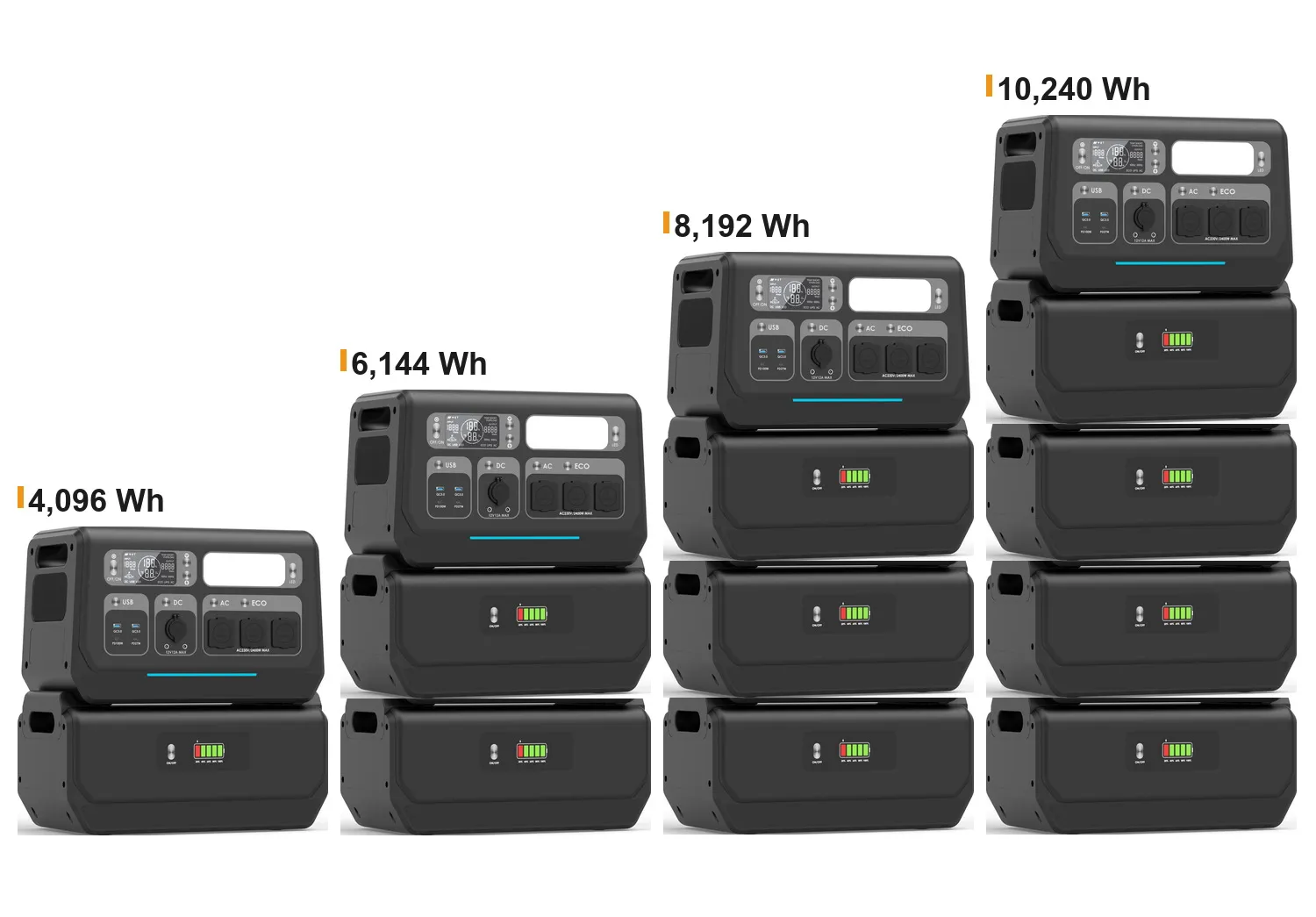
The portable unit on site. It is not grid-connected, it does not feed into a grid, and it has no grid draw in the sense of the EnFG. A P25 standing in the yard and charged overnight from a socket is not addressed by this ruling; there, the datasheet and the operating manual still govern.
This is not pedantry. It is exactly where two things get conflated in sales conversations: the stationary battery at the company's grid connection and the mobile unit on the job site. MiSpeL concerns only the first.
What rental yards should check
1. Is there a battery at the grid connection at all? Without a PV system with storage or a charging point at your own connection, the ruling does not apply.
2. Which option fits the metering you have? Quarter-hourly values are the precondition for the separation option; the flat-rate option is tied to the 30 kWp limit.
3. Who are the counterparties? Grid operator and metering point operator must consent. That is a phone call and a form, not a software setting.
Sources
- Bundesnetzagentur, ruling on the market integration of storage and charging points (MiSpeL), file no. 618-25-02, adopted 1 October 2026, page status 06.10.2026: bundesnetzagentur.de
- Bundesnetzagentur press release, 1 October 2026: bundesnetzagentur.de
*This is a reading aid for the cited ruling, not legal advice. In individual cases the grid operator decides.*