Powerstation in wholesale: what resellers and OEM customers should settle first
Wholesale and OEM are two different businesses with the same device. One needs a range that turns quickly; the other needs a configuration that does not exist yet. This page separates both routes, names the five points to settle before an enquiry, and says plainly what a factory does not do.
Five points to settle before the enquiry
Which market segment should be served? Jobsite power for trades, events, municipal work or standby power for fire services and technical relief are different requirements for accessories, documentation and language.
Which voltage does the market need? 230 V at 16 A covers the usual tool park. Anyone offering 400 V three-phase sells a different device to a different customer — and must meet the expectation of three real phases.
Own brand or branded goods? Building an own brand changes packaging, designation and documents. That is a project, not an order, and it needs a decision on who carries responsibility for the documents.
How should the device arrive at the end customer? Sale through a catalogue, through specialist retail or through a rental fleet are three different routes. They determine how much explanation the device must carry itself.
Who supports the end customer technically? A reseller who answers sizing questions sells more than one who forwards datasheets. This role must be settled before the range is built — internally or with the supplier.
Three routes into the market
Standard range: you carry the existing configurations under our brand. The fastest route, because documents and designations exist — and the one with the least differentiation.
Own brand with adaptation: logo printing, a different equipment set, your own packaging. The device stays technically the same but appears under your brand. Effort arises mainly in packaging and documents, not on the device.
OEM project: a configuration that does not yet exist in the programme. Development starts here — with tooling, a sample phase and a commitment that is only possible after review. Anyone taking this route should plan it as a project, not an order.
The fourth, often overlooked variant: a mix of standard and adaptation. What sells well is the base configuration plus own accessories and own packaging — technically low-risk, still distinguishable in the market.
Range breadth is not automatically strength. Whoever carries three configurations can explain, train and document them; whoever carries ten more often sells the wrong device. For building a wholesale range, depth in a few classes is usually more viable than breadth.
P-series parallel power systems
One modular platform. Add parallel units where the load grows — two or three units single-phase, or three units for 400 V three-phase.
Configuration
Units
Rated power
Usable capacity
Weight
Output
P25
1
2,500 W
2.7 kWh
29 kg
230 V / 16 A · single-phase
P25 + P25-D
2
5,000 W
5.4 kWh
≈60 kg
230 V · single-phase · AC230V/20A output
P25 + P25-D
3
7,500 W
8.1 kWh
≈90 kg
230 V · single-phase · AC230V/30A output
P25 + P25-T
3
7,500 W
8.1 kWh
≈90 kg
400 V · three-phase · AC400V/10A output
P25
Units
1
Rated power
2,500 W
Usable capacity
2.7 kWh
Weight
29 kg
Output
230 V / 16 A · single-phase
P25 + P25-D
Units
2
Rated power
5,000 W
Usable capacity
5.4 kWh
Weight
≈60 kg
Output
230 V · single-phase · AC230V/20A output
P25 + P25-D
Units
3
Rated power
7,500 W
Usable capacity
8.1 kWh
Weight
≈90 kg
Output
230 V · single-phase · AC230V/30A output
P25 + P25-T
Units
3
Rated power
7,500 W
Usable capacity
8.1 kWh
Weight
≈90 kg
Output
400 V · three-phase · AC400V/10A output
Wiring
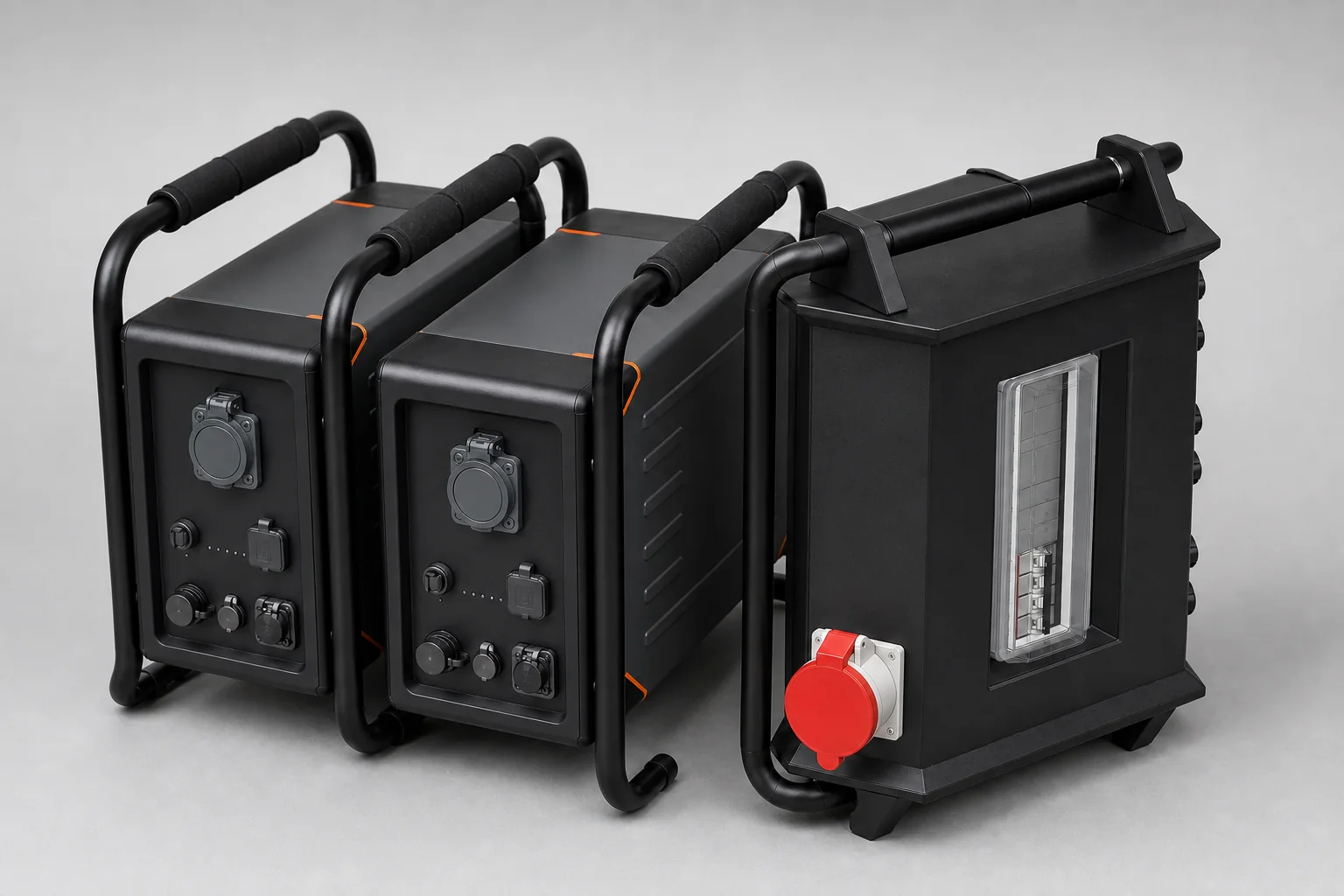
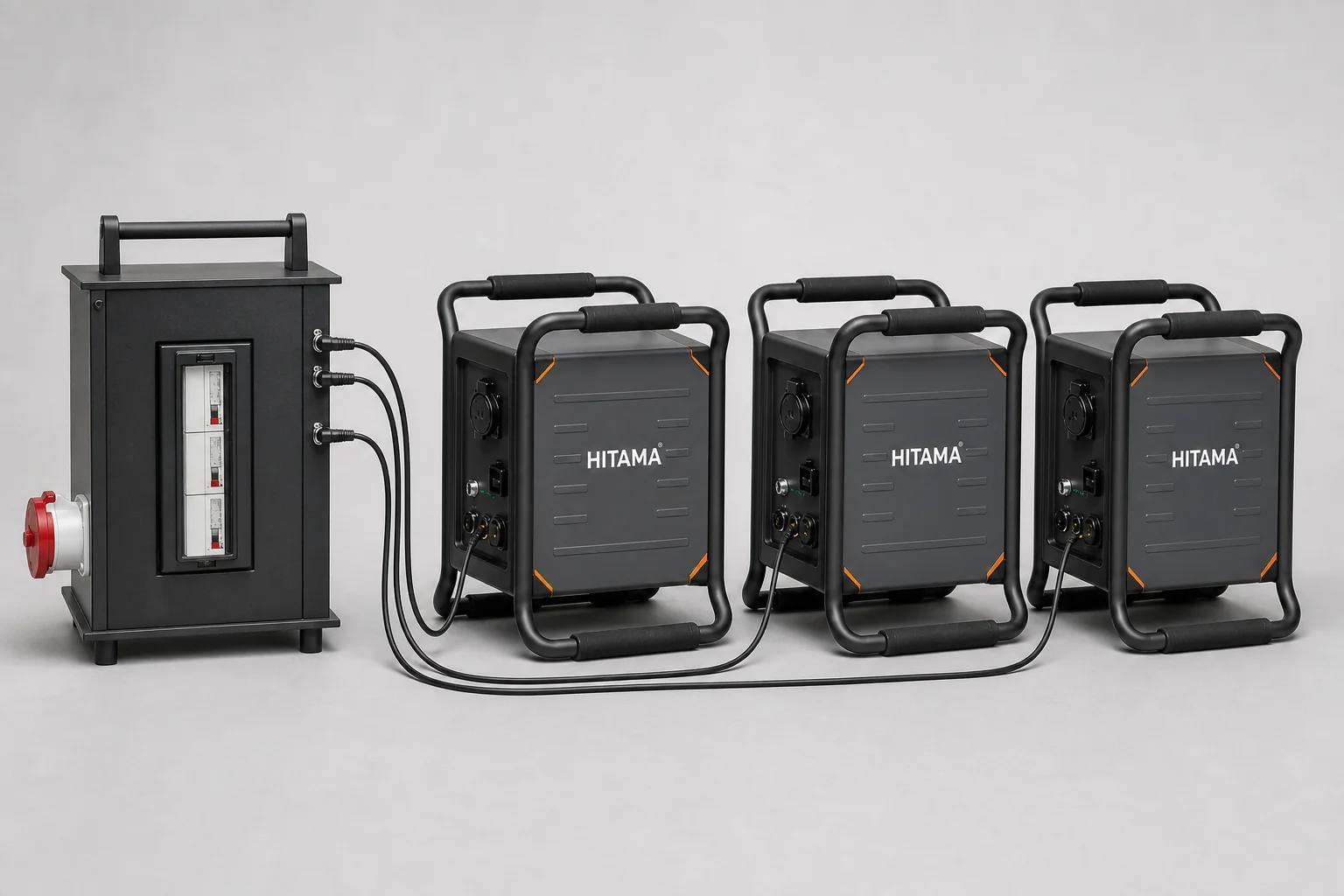
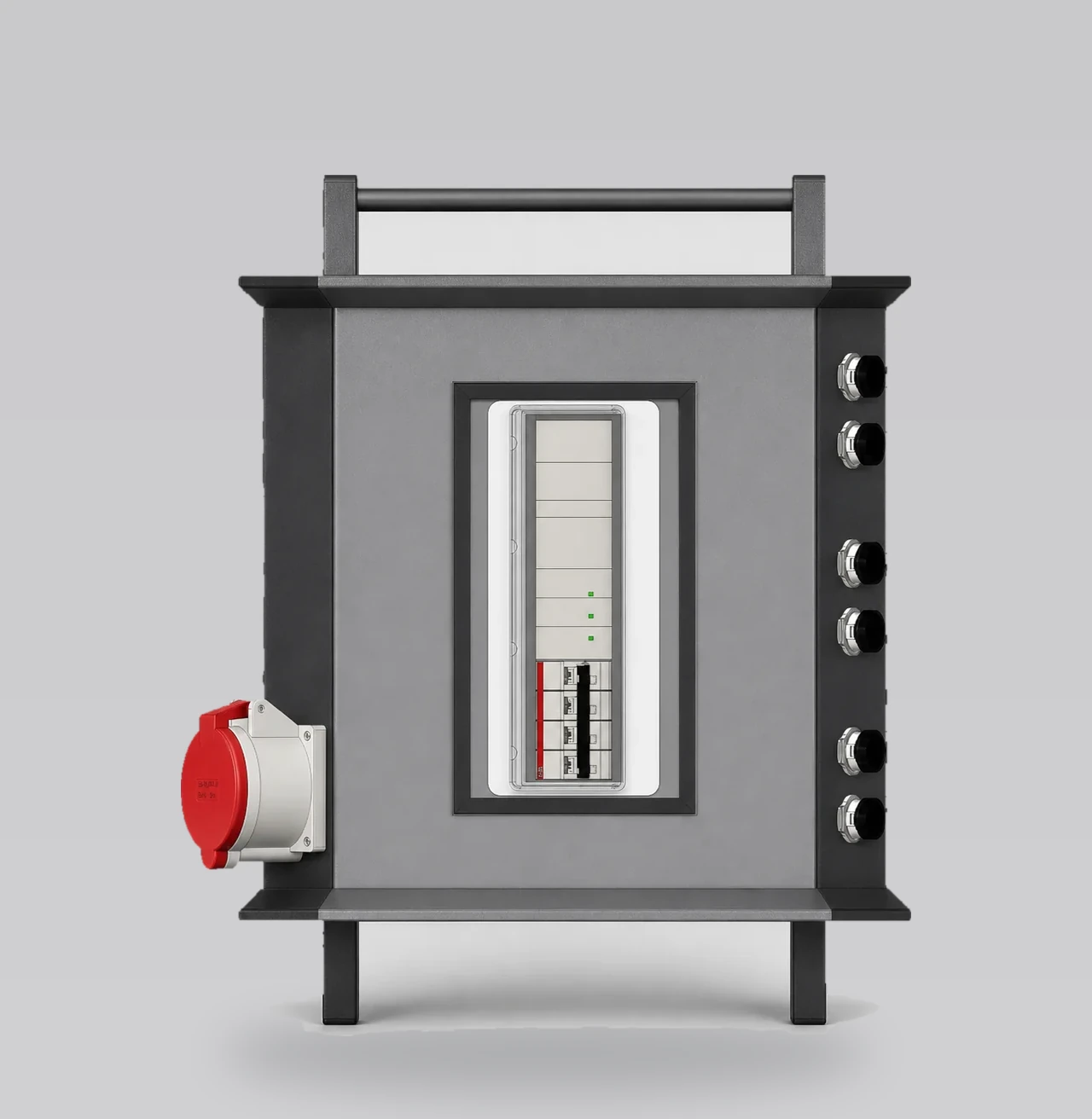
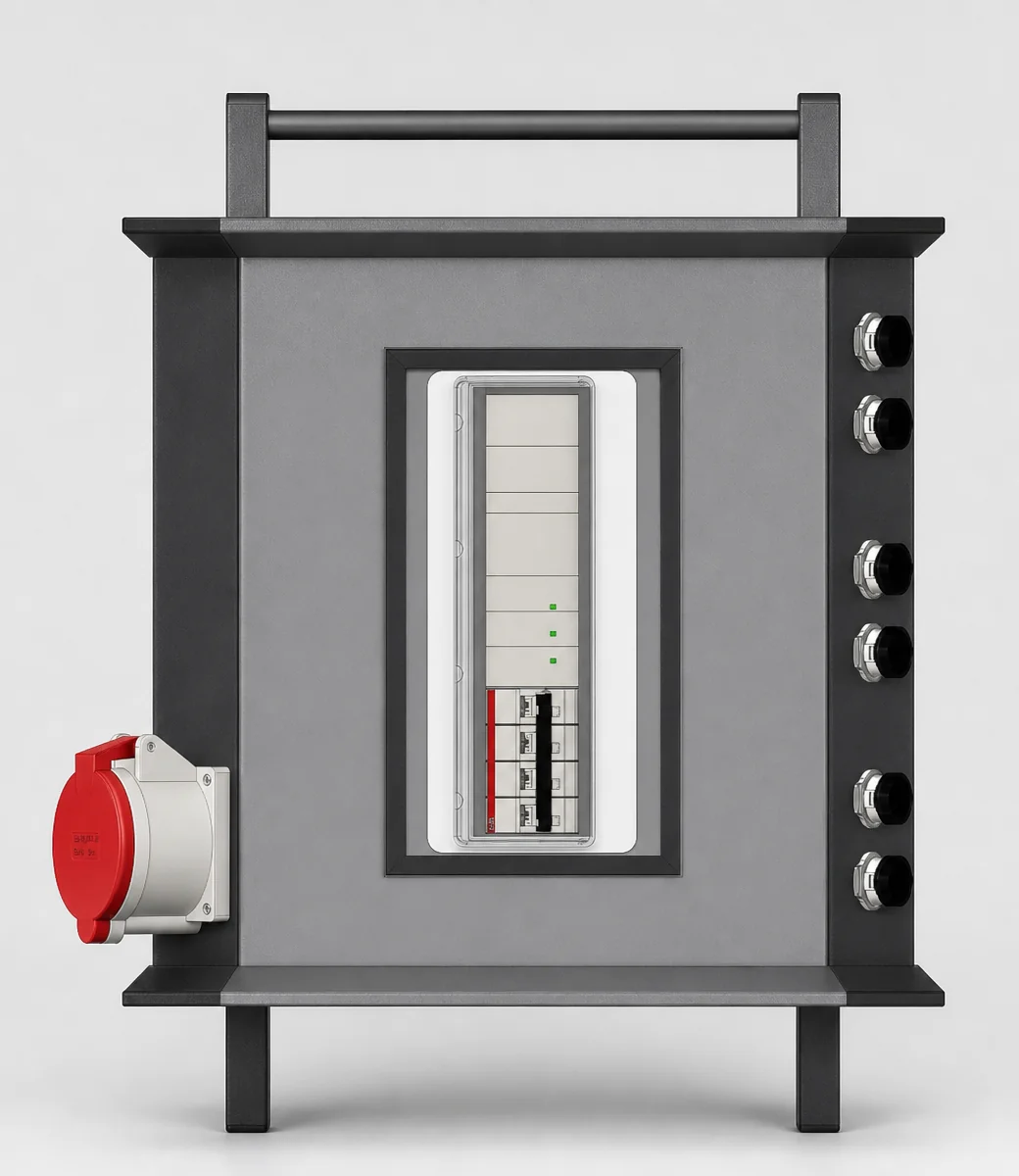
The parallel distribution unit carries one power input and one data input per battery unit, and a single output to the load.
AC230V/20ATwo P25 units, 230 V single-phase.
AC230V/30AThree P25 units, 230 V single-phase.
AC400V/10AThree 230 V P25 units in parallel make 400 V three-phase — all three required, or the system loses a phase.
How the parallel link is wired
Each P25 runs one power cable and one data cable to its own input pair on the distribution unit.
The distribution unit has three input pairs (L1 / L2 / L3); one pair per battery unit.
Only the distribution unit output feeds the load. Battery units are never connected to the load directly.
Each unit keeps its own protective device; no unit back-feeds another.
Three configurations, one platform
Start with a single unit and add parallel units only when the load demands it. Every configuration runs the same battery unit and the same distribution unit.
P25
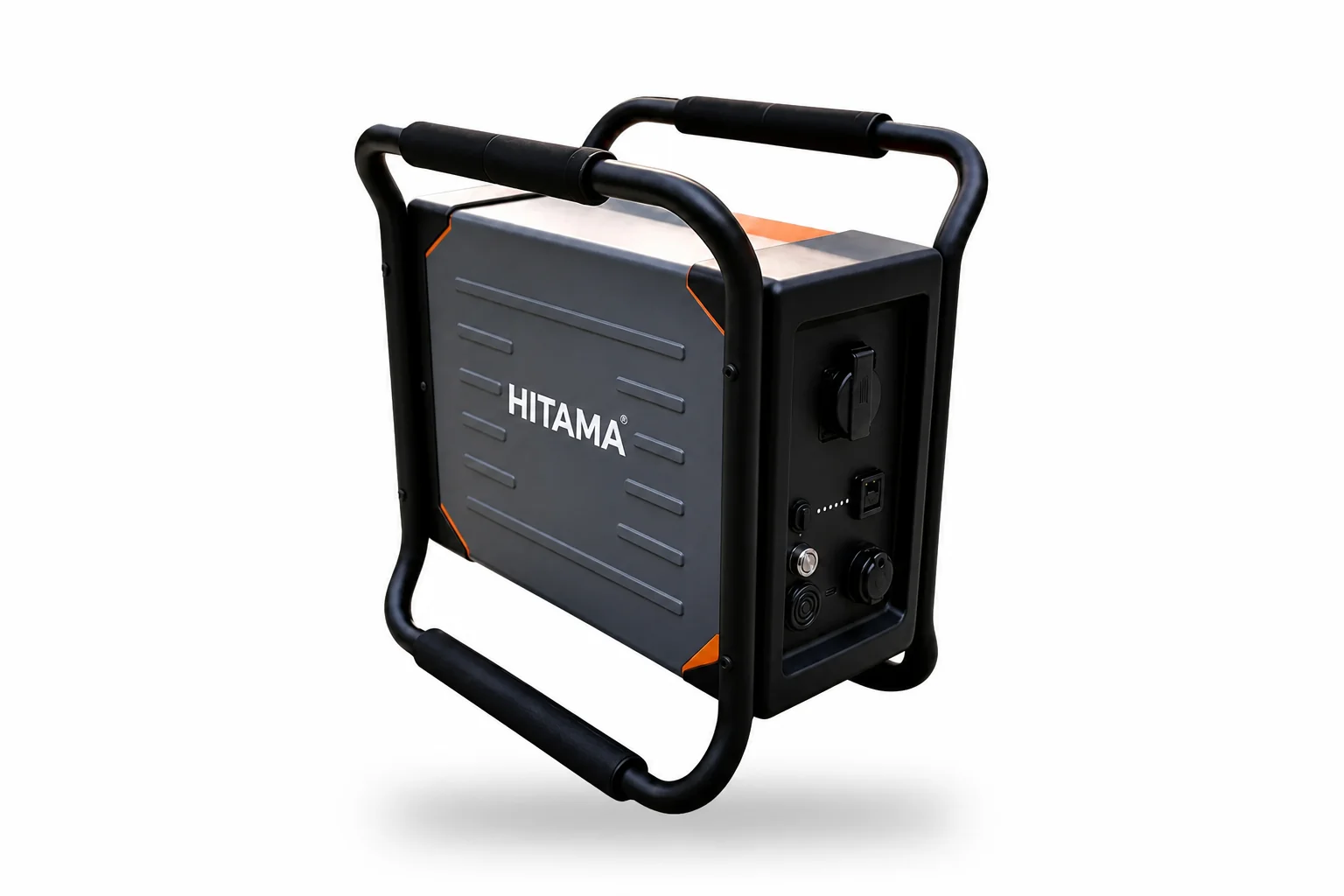
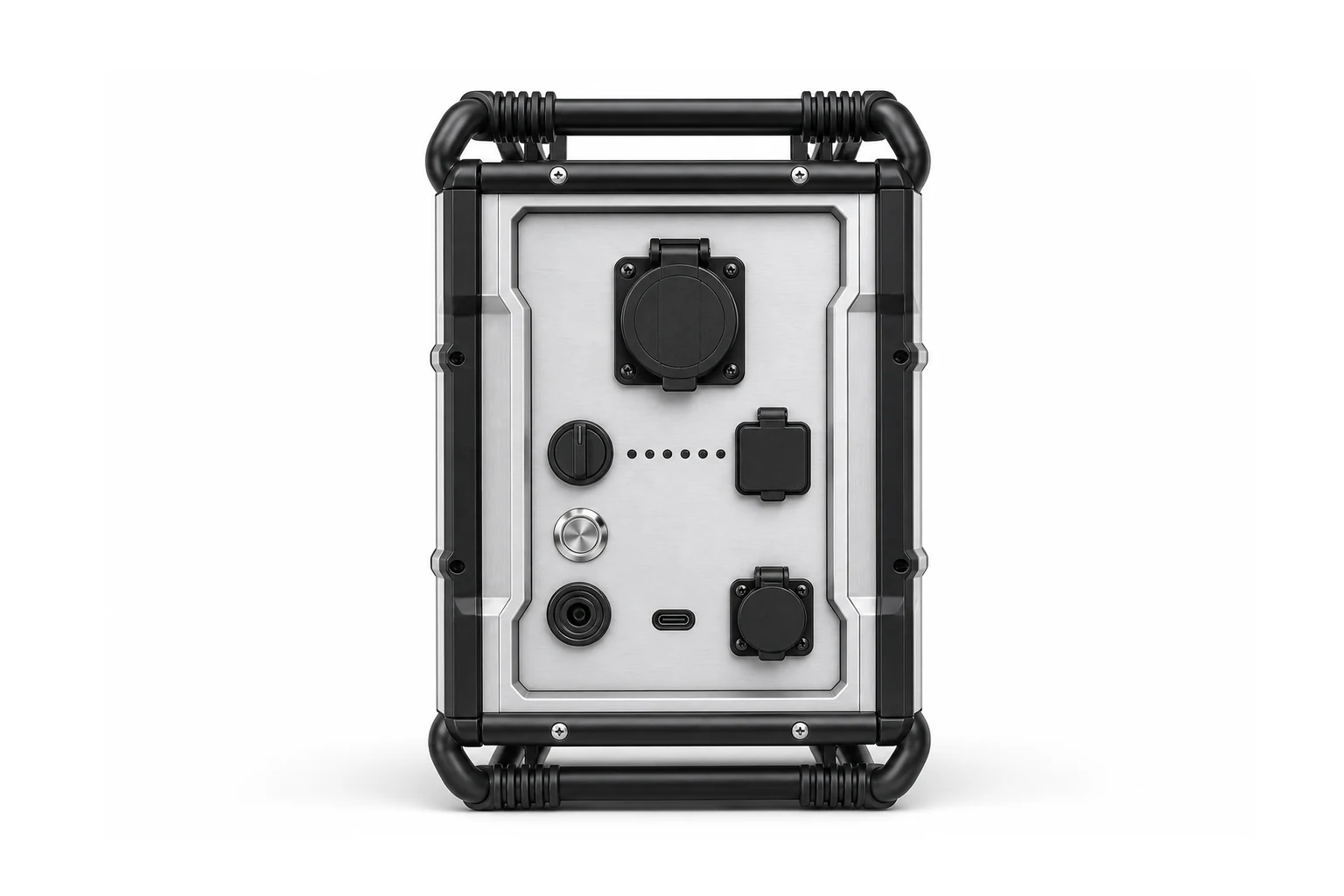
The core unit. A fanless, self-cooling 230 V power station that replaces the combustion generator on site — no exhaust, no idling noise, no fuel run.
Two or three units linked through the parallel distribution unit for 230 V single-phase loads. Power and capacity stack — start with two, add a third when the job needs it.
Three 230 V P25 units in parallel produce the 400 V three-phase supply that runs tools which will not start on single phase. All three are required — remove one and the system loses a phase. Carried and assembled by hand: no crane, no lifting gear.
Configuration: which power class, whether 400 V three-phase is required, and which accessories should be included.
Market and language: in which country the device is sold and in which language packaging, designation and documents should appear.
Volume and target date: not as a bargaining point, but so we can assess effort and feasibility.
Sales route: whether you act as wholesaler, specialist dealer or rental fleet. That determines which documents make sense and what role you take in sizing questions.
Why a factory rather than a middleman — and where the limit lies
We build the units ourselves. Changes to configuration, equipment and designation are therefore engineering topics rather than sourcing questions routed through three stations.
Technical data comes from one source: the manufacturer's datasheet. In distribution, deviations arise between catalogue, packaging and the actual device — and they surface at the end customer, not at the supplier.
For resellers, predictability counts: same configuration, same designation, same documents across the series. That is the point where a range becomes viable.
The limit: we are not a distributor with stock in Europe. Anyone needing single units at short notice from a local warehouse is better served by a wholesaler than by a factory.
The second limit: adaptation costs tooling and lead time. Anyone wanting an own configuration must be prepared to treat it as a project, including a sample phase and approval.
And the third: prices and minimum quantities are not on this page. They depend on configuration, volume and target market and belong in a quotation, not on a product page.
All technical data on this page is manufacturer's data, not measurements; the complete data is in the datasheet. Four details are enough for a reliable answer: configuration, market with language, volume and sales route. Give us those four and you get an assessment of feasibility and effort instead of a general brochure.
The questions buyers actually ask before a first order — answered with numbers from our own datasheets, not from a brochure.
From what volume does an own brand pay off?
We do not quote a blanket volume, because it depends on the scope of adaptation: logo printing on an existing unit is different from own packaging, own designation and a different equipment set. To assess it we need configuration, scope of adaptation and target market.
Which details does an enquiry need?
Four: the desired configuration with power class and voltage, the target market with language for packaging and documents, the volume, and the sales route — wholesale, specialist retail or rental fleet. With those four, feasibility and effort can be assessed.
Can we apply our logo?
Yes, logo printing is possible. Whether it works on the existing enclosure or needs adaptation depends on area, colour and volume. We check before committing and state what it requires.
Which voltage makes sense for which market?
230 V at 16 A covers the usual tool park and is the entry point. 400 V three-phase is needed where equipment will not start without it — larger welding sets or distribution boards with a three-phase outlet. Voltage follows the customer, not the range.
What separates OEM from ODM?
In OEM the specification comes from the customer and we build to it. In ODM we develop the configuration with the customer, who then distributes it under their own brand. The difference in effort is considerable: OEM presupposes a clear specification, ODM starts at sizing.
Are prices and minimum quantities available?
Not on the website. Both depend on configuration, volume and target market and are stated in the quotation. Anyone needing an order of magnitude should name configuration, market and volume — then a reliable assessment is possible.

 12345678
 1234567891011
 1234567891011