
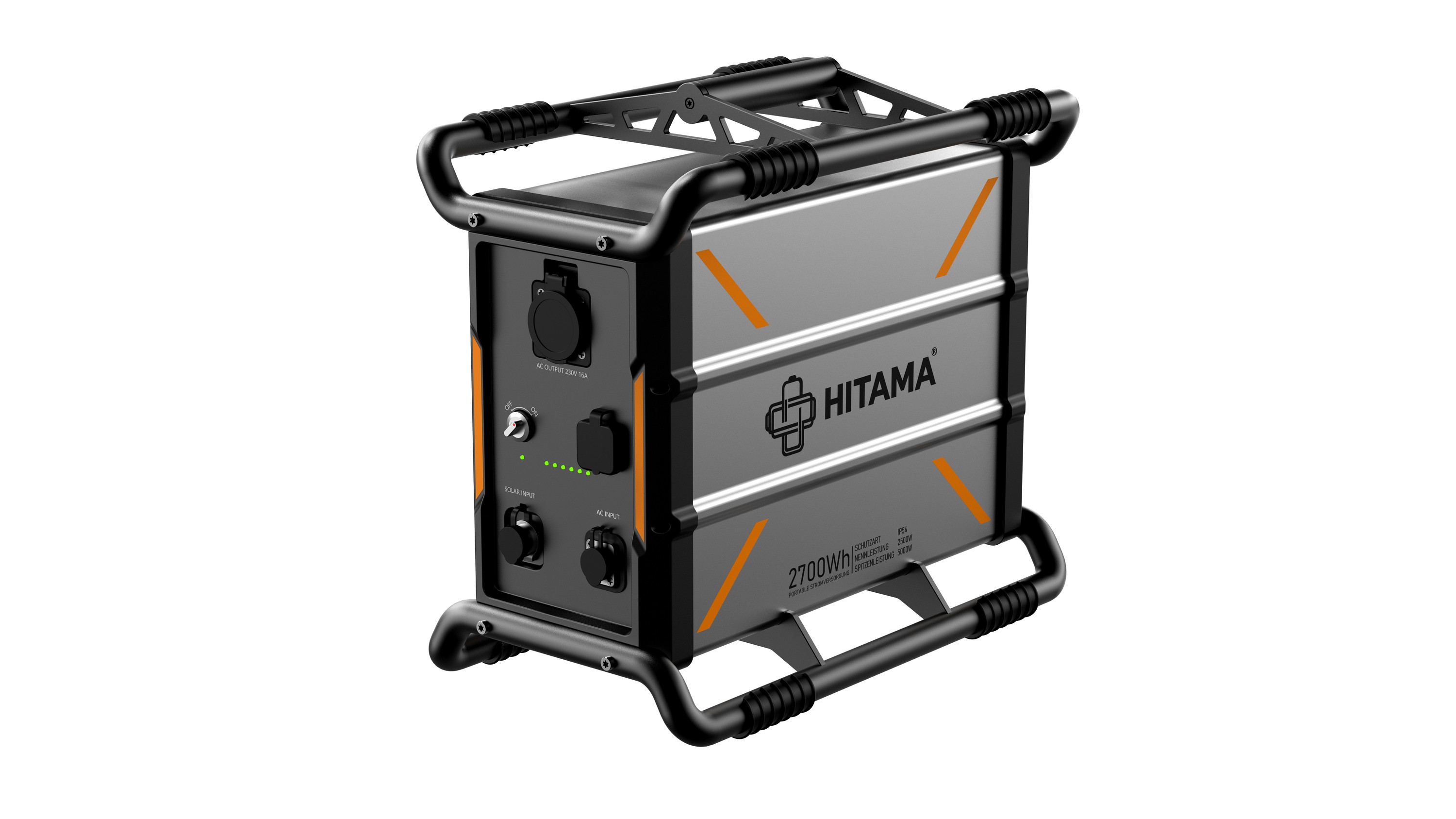
A pack in winter storage is not resting, it is ageing on a different clock. Cycle count stops mattering the week a unit enters the shed; what keeps running is calendar ageing, and it is driven by two variables a shift never touches: state of charge and temperature. The number on the shelf is therefore not the number on the job.
The figure is a compromise between two failures
Fifty percent is not a setting anyone works at; it is a position between two ways of losing a pack. Hold a stored pack high through a winter and the cells sit at elevated voltage for months, which is the expensive half of calendar ageing. Hold it low and self-discharge, slow but not zero, eats the margin: a pack that drifts down in an unheated shed in February reaches spring below the point where it accepts a wake-up.
Both ends fail differently, and both fail quietly. High charge is a chemical cost with no symptom until the capacity is gone. Low charge is a logistics failure that appears on the morning the unit is needed. On a 2.7 kWh P25 half charge is 1.35 kWh, and nothing between "plenty" and "not enough to start" raises an alarm.
Temperature decides how much the number matters
The shelf is not neutral about temperature. A pack stored warm ages faster than the same pack stored cool, and over one winter the gap is larger than most crews expect. Frost is not the enemy here; an office corridor at 25 °C is. Keep the space dry, unheated and above −10 °C, the lower end of what we document.
Cold changes the handling, not the storage rule. A unit that comes out of a cold shed at minus four and goes straight onto a charger takes little current, because the charge path stays shut until the cells are above freezing. That is a different question from how the unit was stored.
What a winter layup looks like in a rental yard
The intake sheet is the deliverable. Read the state of charge on arrival, write it beside the serial, bring the unit to about half, disconnect everything and record where it stands. Every P25 leaves the factory with a serial number and firmware record from the ten-point test protocol, which is what makes a spring check comparable with an autumn one rather than a guess.
Placement and the midwinter check belong on the same sheet. At 29 kg a P25 is a one-person carry, so a mezzanine shelf and a far corner of the yard are both realistic and both easy to forget; a P25-D at about 60 kg and 5.4 kWh will not go up a ladder, so its floor position is set in November. The check in January is then one line: wake the unit, read the charge, return it toward half if it has drifted, switch it off, sign. A pack found at eight percent then is a documented event, not an April surprise.
What this is not
It is not a claim that half charge stops ageing. It slows one part of it; a pack that stands five months at 50 percent still ages, more evenly than one that stands full. Nothing on a shelf improves a cell.
It is not the transport number. Shipping papers set their own state of charge for their own reasons — UN 3480 Class 9 packaging, UN38.3 and the MSDS travel with the unit — and a figure chosen for a container crossing is not a figure for a shed.
Nor is it a cycling recommendation or a seal. Storage is the absence of cycling; a unit that works all winter is governed by the charge-lock question instead. IP54 covers dust and splashing, and says nothing about standing water in a shed whose drainage failed in January.
The count you need before the yard closes
Write the list before the last unit goes in, not when the first van arrives in March: how many units stand still, for how many months, in which room, at what temperature, and how many are C24, P25, P25-D or 400 V machines. Those five answers turn a habit into a schedule with names against the lines.
Send us the fleet you park over winter and the room it stands in, and we will work out which units need the midwinter check and what the intake sheet has to record: https://www.hitama.net/en/contact